


Running a small construction company means managing a long list of competing priorities with a limited pool of resources. Payroll, equipment costs, insurance premiums, and project overhead all compete for the same dollars — and safety spending often gets pushed to the back of the line. The thinking goes something like this: once the company grows, once margins improve, once there’s more breathing room, then we’ll invest in safety.
That mindset is one of the most expensive mistakes a small contractor can make. Job site accidents don’t wait for you to be financially ready. A single serious incident can trigger OSHA fines, a workers’ compensation claim, a spike in insurance premiums, and lasting damage to the reputation your company has spent years building with general contractors who vet subs before awarding bids. For a small or midsize firm operating on thin margins, that exposure isn’t just a bad quarter — it’s a legitimate threat to the business itself.
The good news is that meaningful, compliance-grade safety improvements don’t require a large capital budget. A combination of strategic one-time equipment purchases, clear written policies, and consistent crew training can close most of the gaps between where your operation currently stands and where OSHA expects it to be.
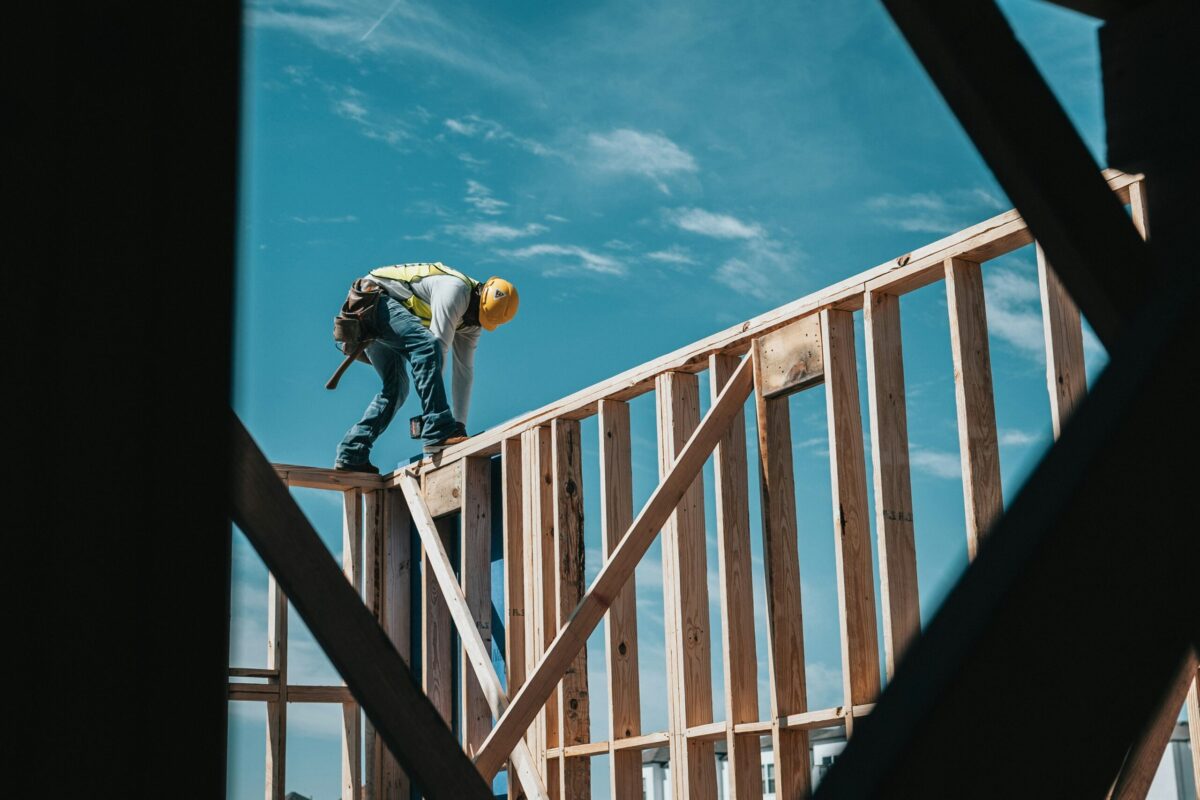
IMAGE: UNSPLASH
Understanding What’S Actually At Stake
The financial case for job site safety is more straightforward than most small contractors realize. OSHA serious violations can cost up to $16,131 per violation, and willful or repeat violations can reach $161,323 per incident. A single inspection with multiple findings can produce six-figure penalties almost instantly. For a small contractor, that’s not an inconvenience — that’s a company in crisis.
Beyond direct fines, your Experience Modification Rate (EMR) is directly shaped by workplace incidents. The EMR is the metric insurance companies use to calculate workers’ compensation premiums. A high EMR means higher premiums, year after year, long after the incident that triggered it. Poor safety records also become public information, which affects your ability to bid on larger commercial projects where general contractors routinely screen subcontractors for safety history. Safety, in other words, is a business performance issue — not simply a compliance checkbox.
Build The Foundation Before You Spend A Dollar
Some of the most effective safety improvements cost nothing but time and discipline. OSHA’s construction standards, found in 29 CFR Part 1926, require employers to have accident prevention programs that include regular inspections of job sites, materials, and equipment by designated competent persons. Getting that documentation right is step one.
Start With A Written Safety Plan
Every project should begin with a written, site-specific safety plan. It doesn’t need to be a 50-page document. A practical plan that identifies known hazards, outlines emergency procedures, specifies PPE requirements, and names the competent person responsible for safety oversight covers the essentials and gives you a defensible paper trail if OSHA conducts an inspection.
Many small contractors skip this step because it feels bureaucratic. But a written plan is also a communication tool. Workers who understand the safety expectations before they step onto a site are significantly more likely to follow them — and significantly less likely to make the kind of judgment call in the field that leads to a recordable incident.
Make Toolbox Talks Part Of The Routine
Toolbox talks are brief, focused safety conversations held at the start of a shift. They take 10 to 15 minutes and cost nothing beyond the time spent. OSHA’s website offers free toolbox talk topics covering everything from fall protection to silica exposure, and you can supplement those with lessons drawn from near-misses on your own sites.
Document who attended each session and what was covered. That documentation matters if you ever face a citation, a legal claim, or a site inspection.
The Equipment Investments That Pay For Themselves
Once the foundational policies are in place, the next step is evaluating which equipment gaps carry the most risk — and which recurring rental costs would be cheaper to eliminate by owning the equipment outright. The goal isn’t to replace everything at once. It’s to identify the highest-impact categories and make deliberate, one-time investments that reduce both incident exposure and long-term spending.
Fall Protection Systems
Falls remain the leading cause of fatalities in the construction industry, and OSHA requires fall protection for workers at heights of six feet or more in general construction environments. Harnesses, self-retracting lifelines, lanyards, and anchor systems represent a modest one-time cost compared to the injury, liability, and workers’ compensation implications of a fall event.
If your crews regularly work at elevation across multiple projects, owning this equipment rather than renting it on a job-by-job basis delivers clear long-term savings while keeping you in compliance from day one on every site.
Quality Ppe Across The Right Categories
PPE is frequently treated as a commodity — buy the cheapest option that technically meets the standard and move on. That approach tends to create a different problem: workers resist wearing gear that’s uncomfortable or poorly fitted, which means the protection exists on paper but not in practice. Investing in properly fitted, quality PPE in the following categories reduces both incidents and the crew resistance that quietly undermines safety culture:
- Hard hats and high-visibility vests rated for your specific work environments
- Eye protection, gloves, and respiratory PPE matched to the actual tasks and hazards present on your sites
- Hearing protection appropriate for the noise levels generated by the equipment your crews operate
Job Site Lighting For Night And Low-Visibility Operations
Lighting is one of the most overlooked safety investments in small construction operations. OSHA standard 29 CFR 1926.56 requires construction areas to maintain minimum illumination levels — at least five foot-candles for general construction work areas — while any work is in progress.
Poor lighting is estimated to contribute to more than 15% of workplace accidents on construction sites each year, yet many small contractors treat it as an afterthought until a problem occurs.
For crews working overnight or in low-visibility environments, sourcing light towers for sale is a cost-effective alternative to renting floodlight rigs, providing reliable, portable illumination that meets visibility and safety requirements across job sites and traffic operations. Light towers are self-contained, towable units capable of covering large work areas and repositioning easily as site conditions change.
Owning one or two units eliminates recurring rental fees, ensures compliant lighting is available from the first shift on every project, and gives your crew the kind of consistent visibility that directly reduces accident risk during overnight or low-light operations.
Training Is The Investment That Keeps Compounding
Equipment and written policies are essential, but they don’t replace trained workers. OSHA’s 10-hour and 30-hour construction safety courses are the industry’s recognized baseline for safety education.
The 10-hour course covers core hazards for frontline workers, while the 30-hour program is better suited for site supervisors and crew leads responsible for enforcing standards in the field. Both are available online and through in-person providers at a cost that’s well within reach for small operations.
If budget requires you to prioritize, start with your foremen and site leads. Workers who understand the reasoning behind safety requirements — not just the requirements themselves — make better decisions in the field, and that judgment is what prevents incidents no piece of equipment can fully stop.
First aid and CPR certification rounds out a solid training foundation and is generally required by OSHA when your sites are not in proximity to readily available medical facilities.
Track The Right Metrics To Stay Ahead Of Problems
Safety programs that actually improve over time are built on data, and collecting that data doesn’t require sophisticated software. A straightforward log of near-misses, minor incidents, equipment inspection results, and toolbox talk attendance is enough to identify patterns before they escalate into serious events.
Which tasks are generating the most near-misses? Which equipment items are being flagged in your weekly walkthroughs? Which crew members are actively raising hazard concerns, and which ones are staying quiet? Review these records monthly and bring safety data into your regular project check-ins with foremen across different sites.
Companies that track and respond to leading indicators — near-misses and hazard reports — consistently experience fewer of the lagging indicators that show up in injury logs and OSHA citations.
Safety Is A Competitive Advantage, Not Just A Cost
Small construction companies can’t compete with large firms on volume or resources. What they can compete on is reliability, quality, and a safety record that positions them as a trusted partner for general contractors and project owners who pay attention to what happens on their sites.
A clean EMR, a solid OSHA history, and a crew that operates safely every day are measurable competitive advantages — ones that show up in insurance costs, bid eligibility, and the quality of client relationships your company is able to build over time.
Getting there doesn’t demand a major budget overhaul. It takes a written plan, targeted equipment investments in the categories that carry the most risk, consistent training at every level of your crew, and the operational discipline to follow through on all of it. The contractors who build that foundation now are the ones still growing — and still winning bids — five years down the road.
COMMENTS