


A billboard delivers one message to everyone who happens to glance up. A mobile marketing truck delivers a sequence, and sequence is the part most media planning still gets wrong.
Static advertising asks a consumer to absorb everything in a single exposure. A well-run mobile pop-up shop asks for something different: a few minutes of participation, staged in stages, each one building on the last. That structural difference is why the format keeps outperforming channels with far bigger budgets behind them.
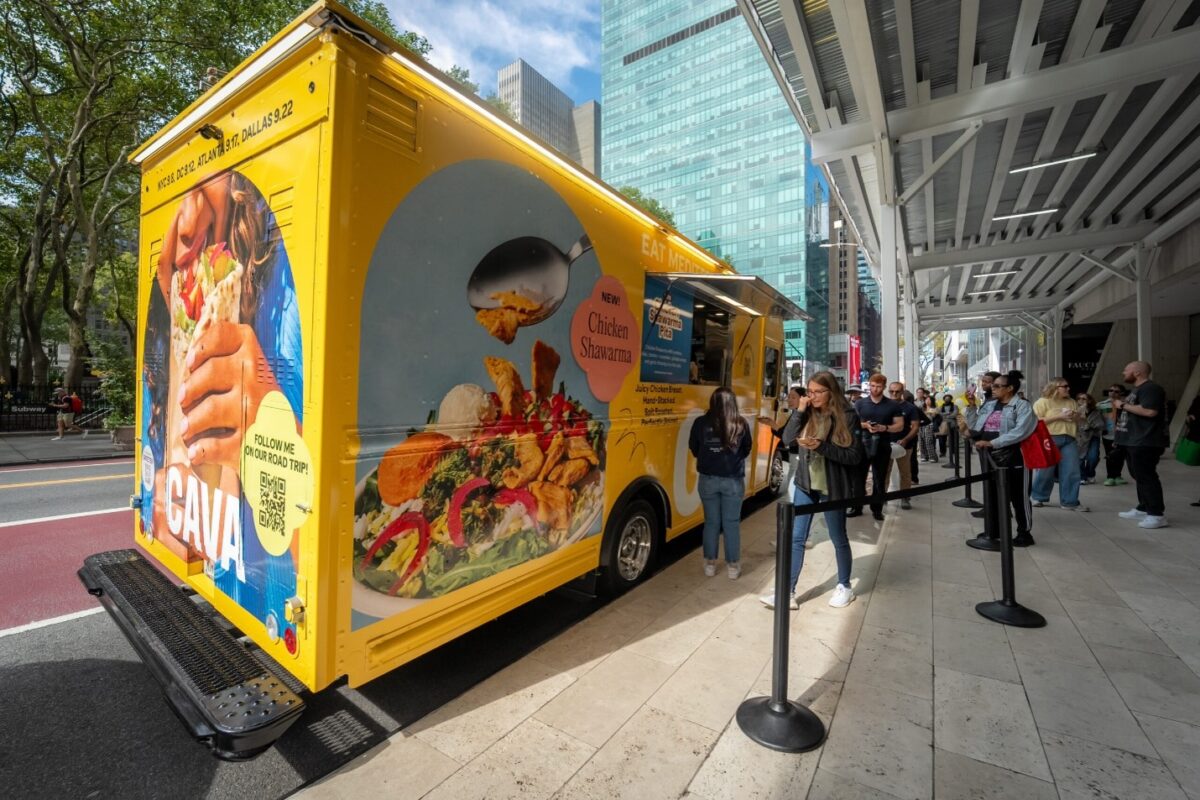
IMAGE: WE ARE SWEETER
Discovery Looks Nothing Like An Ad
The first stage of the journey happens before a brand ambassador says a word. A mobile marketing truck earns a glance because it’s unusual in its setting, parked somewhere a static display never could be: a festival footprint, a corporate campus, a retail parking lot on a Saturday.
That placement flexibility means the truck can chase the audience instead of waiting for the audience to find it, relocating to match the day’s highest-value crowd instead of staying fixed in one spot.
Consumers register it as an event, not an advertisement, and that framing shift matters more than any headline copy printed on the vehicle’s exterior. By the time someone decides to walk closer, they’ve already made a choice a billboard never asks them to make.
Engagement Depends On Structured Pacing
Once someone approaches, the mobile marketing truck’s real advantage kicks in: pacing that a print ad or a digital banner simply cannot offer. A trained brand ambassador can read a person’s interest level in seconds and adjust the pitch, whether that means a thirty-second sample handoff or a longer conversation about product benefits.
This is where a lot of activations lose their edge. Teams that script a single, rigid interaction end up rushing engaged consumers and boring disengaged ones. The trucks that actually convert attention into memory are staffed by people trained to vary their approach person by person.
Conversion Happens Through The Senses, Not The Pitch
Most consumers can’t recall a tagline an hour after hearing it, but they remember a taste, a smell, or a texture far longer. A mobile marketing truck built around genuine product trial, not just branded giveaways, gives a consumer a sensory memory to associate with the brand instead of a slogan they’ll forget by the time they reach their car.
That’s the actual mechanism behind trial-to-purchase conversion in experiential work, and it’s the reason culinary or product specificity matters more than truck design.
Amplification Requires Something Worth Sharing
The customer journey doesn’t end when someone walks away from the service window. If the interaction was distinctive enough, it continues on a phone screen minutes later. This is the stage brands underinvest in, because it depends entirely on what happened during discovery and engagement. A forgettable interaction produces no content. A well-paced one produces documentation the brand never had to ask for or pay to promote.
Where The Format Can Break Down
None of this happens automatically. A mobile marketing truck without a trained team is just a parked vehicle, and a route without a clear plan for permits, timing, and location logistics can strand a truck in the wrong place at the wrong hour.
Weather adds another variable few campaigns plan for properly: a truck that folds at the first sign of rain loses days that were already budgeted and staffed. The agencies that get real results treat routing, staffing, and contingency planning as strategy, not afterthought, because the entire journey collapses if the truck never reaches the right audience in the first place.
The throughline across every stage is that a mobile marketing truck isn’t one touchpoint, it’s a sequence with its own logic. Brands that plan for the full journey, rather than the vehicle alone, are the ones who see the format actually change how a consumer feels about them.
COMMENTS