


Water demand on industrial, agricultural, and remote sites rarely stays constant. Production changes, cleaning cycles, weather conditions, workforce numbers and equipment use can all cause consumption to rise unexpectedly.
If you rely on a fixed supply assumption, even a short demand spike can interrupt operations. Effective water planning therefore means building enough storage, monitoring and replenishment flexibility into your site so that you can respond when actual demand differs from your forecast.
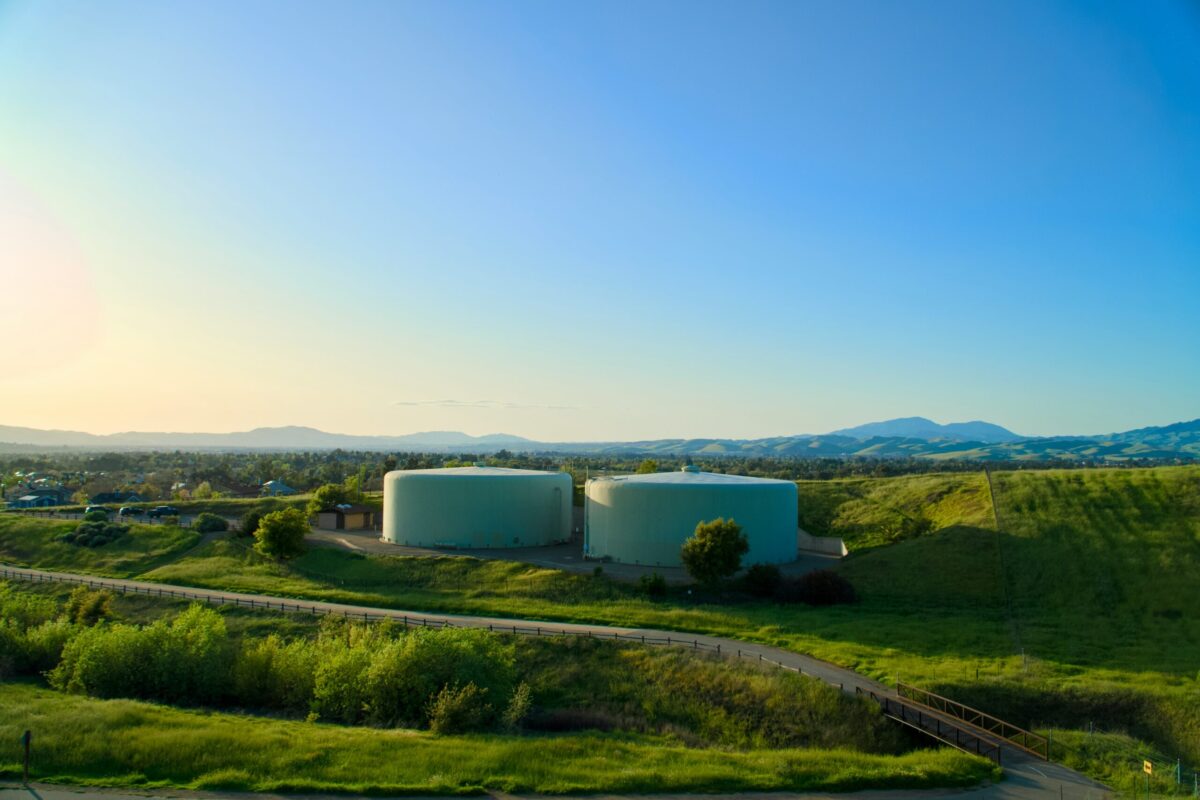
IMAGE: UNSPLASH
Size Storage For Demand Fluctuations
Your first step is to understand both average consumption and realistic peak demand. Historical usage records can help, but you should also account for activities that temporarily increase consumption, such as equipment washing, dust suppression, irrigation, processing or emergency response. The difference between normal and peak consumption gives you a more useful basis for estimating storage than average demand alone.
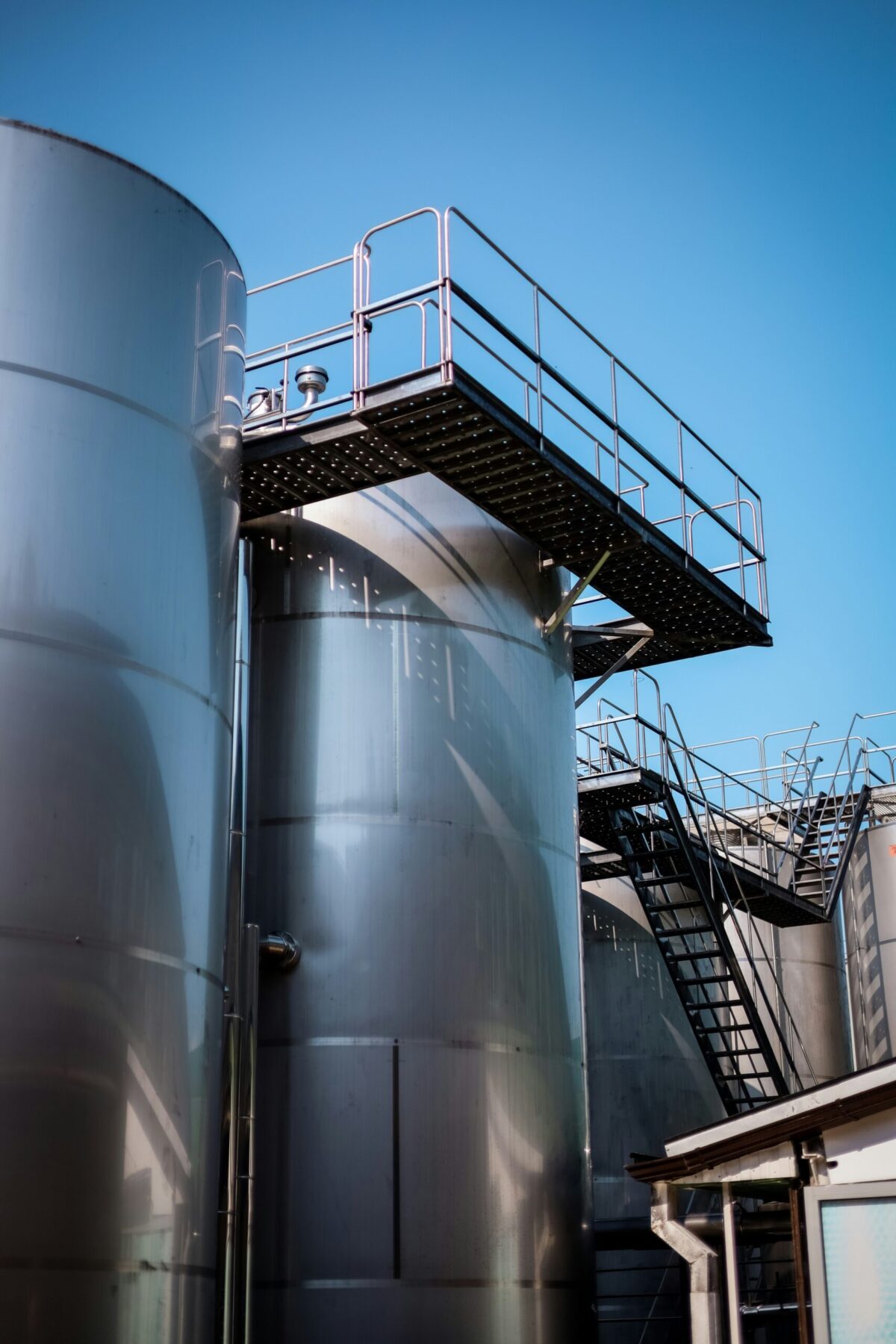
You can then assess whether your existing tanks provide an adequate buffer capacity between supply deliveries or replenishment cycles. Where mobile or additional storage is required, you might consider equipment like TTI tanks for water and diesel storage alongside fixed tanks, intermediate bulk containers and other storage systems suited to the liquids being handled. Storage selection should reflect capacity requirements, transport needs and the operating conditions in which the equipment will be used.
Build A Practical Supply Buffer
A supply buffer protects you against both higher consumption and slower replenishment. The appropriate margin depends on how quickly you can obtain more water if conditions change. A metropolitan processing site with dependable mains supply faces a different risk profile from a remote agricultural or mining operation dependent on delivered water.
Rather than simply installing the largest available tank, calculate how many hours or days of operation you need to protect. Maintaining an agreed minimum reserve volume can prevent routine consumption from using water that may be needed during supply disruptions or periods of exceptional demand.
Separate Essential And Flexible Water Uses
Not every activity needs the same supply priority. You should identify water uses that are essential to safety, production or regulatory compliance and distinguish them from activities that can be delayed when supply becomes constrained.
This approach makes your water allocation decisions easier during a demand spike. Critical processing, sanitation or safety requirements can continue while lower priority washing, landscaping or other discretionary uses are reduced until storage levels recover.
Monitor Usage Before Shortages Develop
Storage capacity is only useful when you know how quickly it is being depleted. Tank level indicators, flow meters and regular consumption records can help you identify unusual usage before it creates an operational problem. A study using hourly smart meter data found that recorded consumption could be used to forecast short-term water demand and help identify abnormal usage by comparing observed demand with expected patterns.
Monitoring also improves future planning. If your records repeatedly show higher demand during particular seasons, production cycles or weather conditions, you can use those patterns to refine storage volumes and replenishment schedules. Building decisions around actual site consumption gives you a stronger basis for preparing for future demand than relying on broad estimates alone.
Plan Replenishment Around Lead Times
Your replenishment strategy should reflect how long additional water takes to reach the site. Supplier availability, transport distances, site access and seasonal conditions can all affect lead times, particularly for remote operations.
Set reorder or refill thresholds early enough that normal consumption will not exhaust your usable reserve before the next supply arrives. If demand is especially variable, arranging alternative supply options or additional temporary storage can provide another layer of resilience without permanently increasing fixed capacity.
Keep Water Available When Demand Changes
Planning for unpredictable water demand is less about forecasting every possible scenario and more about giving your site room to respond. When you combine realistic peak demand estimates with appropriate storage, protected reserves, usage monitoring and well timed replenishment, unexpected consumption becomes easier to manage.
Regularly reviewing those assumptions as your operations change will help you maintain a dependable supply without unnecessarily tying up space or resources in excessive storage.
COMMENTS