


Innovation does not always arrive as a shiny new gadget. Sometimes it shows up as a quieter room, a cleaner surface, a safer package, or a chair that does more than offer a place to sit.
For years, people have linked “smart” products with screens, apps, and voice assistants. That view is becoming too narrow. A growing wave of design is moving intelligence into the object itself. The technology may be hidden in the material, structure, coating, or manufacturing process. Users do not need to learn a new interface. They simply get a better version of something they already use.
That shift matters for businesses, architects, product designers, and consumers. It points to a future where technology supports daily life in the background rather than demanding constant attention.
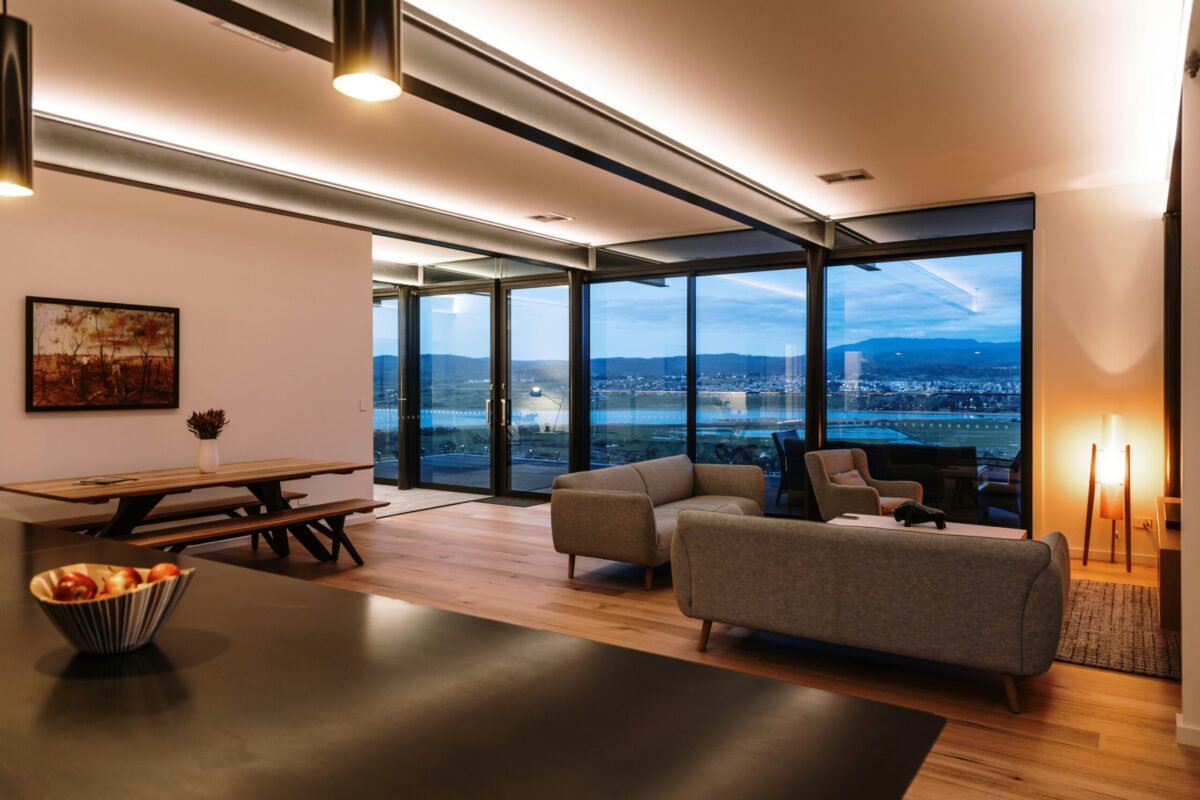
IMAGE: UNSPLASH
Smart Design Is Becoming Less Visible
Embedded technology is not new. Cars, appliances, medical tools, and industrial systems have relied on it for decades. What is changing is where these technologies are appearing and how naturally they fit into ordinary products.
Think about packaging that can help track freshness, clothing that supports temperature control, flooring that improves safety, or furniture that shapes the sound of a room. These products do not ask users to tap through menus. Their value comes from built-in performance.
This is especially clear in interiors. Offices, hotels, schools, and healthcare settings are filled with surfaces and objects that influence comfort. When those elements carry embedded performance features, the space can improve without adding more devices.
A good example is acoustic furniture, which blends sound management into everyday furnishings. Instead of treating acoustics as a separate layer added after a space is built, designers can use functional furniture as part of the room’s performance strategy. The object still looks like furniture, yet it helps address a real environmental challenge.
This kind of hidden intelligence fits modern user expectations. People want spaces that work better, but they do not want every solution to feel technical.
Materials Are Becoming Part Of The Technology
The next stage of smart products is not only about chips and sensors. Materials themselves are becoming active design tools.
Smart materials can react to heat, light, moisture, pressure, or sound. Some coatings can support easier cleaning. Certain surfaces can help manage glare or temperature. Acoustic materials can absorb or redirect sound. Flexible electronics can be placed into thin, curved, or lightweight forms that traditional hardware could not easily support.
This opens the door to products that solve problems at the physical level. A surface can reduce maintenance needs. A textile can support comfort. A panel can manage sound. A package can carry product data. The technology is still there, but the user experiences it as better performance rather than as another device to manage.
For businesses, this changes how product value is explained. It is no longer enough to say a product is “smart.” Buyers want to know what problem it solves. Does it reduce waste? Improve safety? Support focus? Lower maintenance? Help a space adapt to changing use?
The best embedded technologies answer those questions clearly. They do not rely on novelty alone.
This is also where precision manufacturing plays a major role. Advanced fabrication makes it possible to place performance features exactly where they are needed. Small design changes can influence airflow, sound movement, strength, flexibility, or durability. In many cases, the product’s form and function are no longer separate decisions.
That creates new opportunities for industries that were not traditionally viewed as tech-driven. Furniture, construction materials, packaging, textiles, fixtures, and interior products can all contribute to a smarter built environment.
Why Everyday Smart Objects Matter For Businesses
The appeal of embedded technology is practical. Businesses adopt new products when the value is easy to understand.
In a workplace, that value might be better focus, fewer distractions, and more flexible layouts. In a hotel, it might be guest comfort without visible clutter. In retail, product displays might support security or inventory tracking. In healthcare, surfaces and furnishings might support cleaner, calmer environments.
The key advantage is that embedded technologies can improve outcomes without asking people to change their behavior. A person does not need to think about how a sound-absorbing furnishing works. A facilities team does not need to explain why a surface performs better.
This matters in a world where many people feel overloaded by digital tools. More apps, alerts, dashboards, and connected devices can create fatigue. Embedded solutions offer a different path. They make the physical world more capable while keeping the user experience simple.
There is also a design benefit. When technology is built into ordinary objects, spaces can remain clean, warm, and human. A room does not need to look like a control center to perform well. A product does not need a screen to be innovative.
For product makers, the challenge is balance. Too much hidden technology can make a product harder to repair, recycle, or explain. Too little can turn “smart” into a marketing label with no real value. The strongest solutions are those where the embedded feature directly supports the product’s main purpose.
The Smartest Products May Be The Ones People Barely Notice
The future of embedded technology is not only about making objects more connected. It is about making them more useful.
The most interesting part is how normal these products can feel. They do not always look futuristic. They do not always announce their technology. They simply work better.
That quiet progress may be one of the biggest design shifts ahead. As embedded technologies move into the objects people already use and trust, innovation becomes less about adding complexity and more about improving daily life in ways that feel natural.
COMMENTS