


Technology has significantly changed how personal injury attorneys handle car accident cases. For example, AI-powered document analysis can spot important details in medical records that might be overlooked in manual review, helping speed up settlement processes. According to a 2025 ABA Tech Survey, lawyers using AI see substantial efficiency gains during case preparation.
In addition to AI, accident reconstruction software has advanced and uses photos, measurements, and vehicle data to create detailed 3D models of crash scenes. These models help clearly show how car crashes happened and who might be at fault. Virtual reality tools go a step further by recreating these scenes immersively for juries. At the same time, data analytics can identify patterns across personal injury cases that strengthen legal strategies.
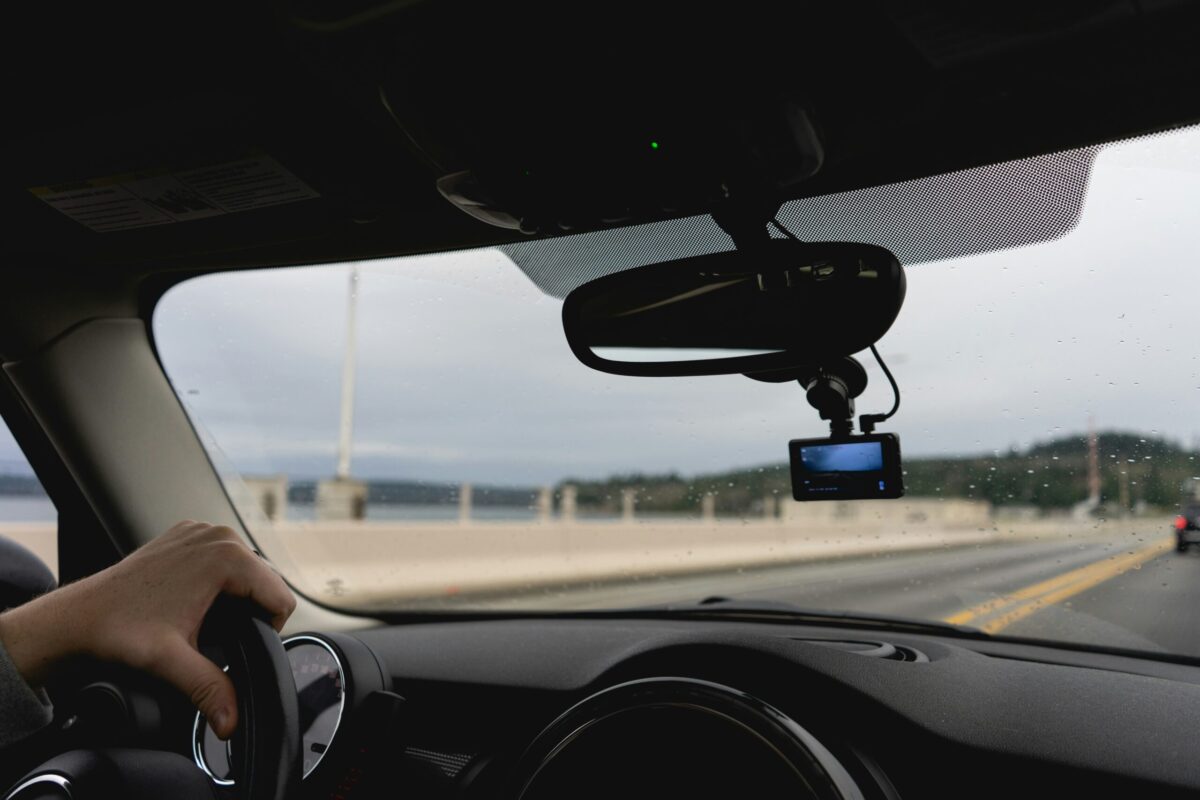
IMAGE: UNSPLASH
Top Technologies Attorneys Use To Build Stronger Car Accident Cases
Telematics data from vehicle black boxes record speed, braking patterns, and GPS locations right before a crash. This gives lawyers solid evidence to prove who was at fault. When combined with drones for aerial views of the accident scene, something ground-level photos can’t show, the tools create a clearer picture of what happened.
Surveillance footage from nearby cameras and dashcam videos can also help support this data.
Event Data Recorders (EDRs) And Black Box Data
Event Data Recorders (EDRs) capture at least 15 pieces of information according to National Highway Traffic Safety Administration (NHTSA) regulations. This includes Delta-V, which shows how fast a car’s speed changes during an impact. Even a change in velocity as small as 5 mph can indicate the potential for injuries, since higher Delta-V values mean greater force experienced by the passengers.
This information can help lawyers show how a car accident may have occurred and explain the injuries their clients sustained.
Dashcam And Surveillance Camera Footage
Surveillance cameras and dashcams record how drivers brake, drift in lanes, and act just before an accident. This video footage provides clear, reliable evidence that attorneys can use in court and negotiations. It also helps answer questions about traffic signals, speed limits, and who had the right of way. By having this objective proof, insurance companies are less likely to offer unfair settlement amounts.
Common types of camera footage used in a car accident case include:
- Police bodycams
- Traffic cameras
- Commercial dashcams
Telematics and GPS Tracking Data
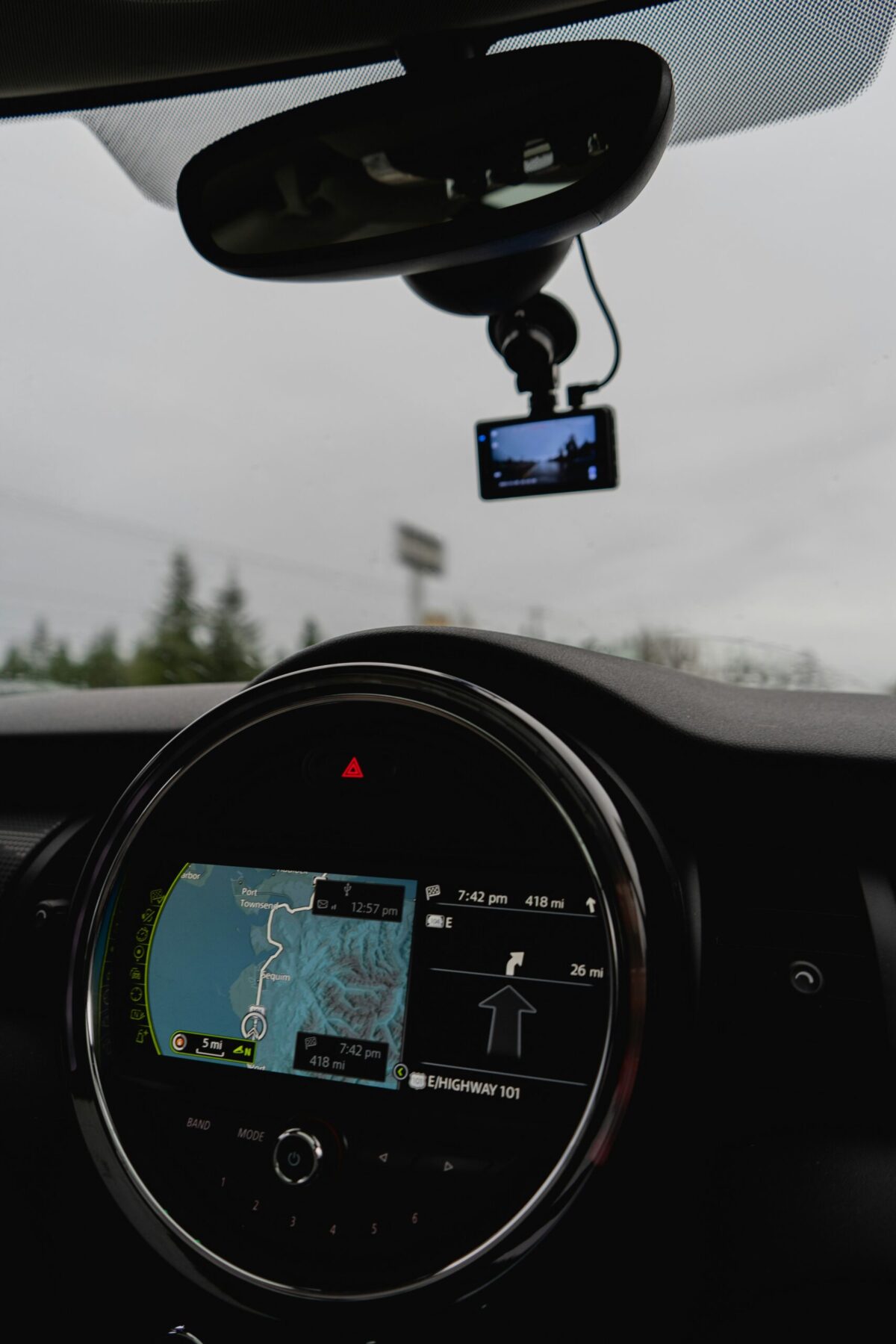
Smartphone telematics can identify distracted driving by showing whether a driver was using their phone during a crash. This information can strongly support proving liability in car accident claims.
Legal experts need accurate and timely data to build their cases effectively. So, a legal hold should be put in place right after an accident to ensure this evidence is not lost.
How AI Is Revolutionizing Car Accident Claims Processing
Artificial intelligence is changing how insurers and legal professionals manage car accident claims, making the process faster and more accurate. AI has sped up low-severity claims by 80% and increased productivity in documentation tasks by 50%. Additionally, about 82% of insurance companies now use some form of AI.
By using computer vision, AI tools can quickly assess vehicle damage from uploaded photos by comparing them with historical repair data. Natural Language Processing helps extract and verify information from claim documents, reducing the time needed for manual reviews. These technologies also include:
- Fraud detection through analyzing unusual patterns
- Predictive settlement calculations based on past claims
- Automated document verification
- Real-time estimation of damage costs
Automated Damage Assessment Tools
Automated damage assessment tools can accurately assess vehicle damage within minutes by analyzing uploaded photos against historical repair data, significantly reducing turnaround times. Simple claims can be resolved in under a day due to this efficiency, which could lower claims expenses.
Advanced software using computer vision cross-references damage images with repair cost databases, while OCR technology organizes documentation, minimizing administrative workload during the legal process.
Ai-Powered First Notice Of Loss (Fnol) Systems
AI-powered FNOL systems can significantly cut down the time it takes to start a claim from 2 to 3 days to just minutes. This is achieved through key technologies such as:
- Natural Language Processing
- Computer Vision
- Intelligent Document Processing
Predictive Analytics For Settlement Negotiations
Predictive analytics uses thousands of past case outcomes to suggest settlement amounts that match fair compensation ranges. AI tools consider more than 10,400 factors when deciding on settlement offers, so lawyers need to understand how these systems value data to avoid lowball offers.
By using a similar data-driven method, law firms can analyze information from similar personal injury cases to strengthen their negotiation stance before settlement talks begin.
Wearable Device And Smartphone Data
Wearable devices like Apple Watch, Fitbit, or Garmin track heart rate, sleep quality, daily steps, and calories burned. These devices can be a powerful tool in personal injury cases. The data they collect helps show physical condition before and after an accident.
Smartphone evidence can also be used to support claims through:
- GPS location and speed information
- Call logs that prove driver distraction
- App activity around the time of the crash
- Web browsing history that indicates cognitive distractions
How Technology Helps Attorneys Establish Fault In Car Accident Cases
Technology has changed how lawyers prove fault in car accident cases, with top car accident lawyers in Las Vegas already documenting its use.
Special computer programs now use science and data, like GPS information and recordings from cars’ event data recorders, to rebuild crashes with precise measurements. Judges and juries in many U.S. courts are starting to accept these digital recreations as proof.
Insurance companies often agree to pay up faster when faced with findings based on scientific evidence.
At accident scenes, drones take aerial videos that regular ground photos can’t match, giving lawyers a full view of the road conditions and where cars were positioned. These methods help:
- Clear up disagreements between those involved
- Measure how hard the crash was
- Show if traffic laws were broken
- Link what the defendant did directly to any injuries the plaintiff got
COMMENTS