


Home maintenance is changing around the world. A few years ago, most smart cleaning products were focused indoors. Robot vacuums cleaned living rooms. Smart thermostats managed temperature. Security cameras watched front doors. Lawn robots started to appear in gardens.
Now that same automation mindset is moving outdoors.
Swimming pools are a natural part of this shift because they create repeated physical work. Owners skim leaves, vacuum floors, brush walls, clean the waterline, empty baskets, and then repeat the same tasks after wind, rain, swimming, or a weekend gathering. Cordless robotic pool cleaners are becoming popular because they reduce the effort required to start those tasks.
This trend is not just about one device category getting attention. It reflects a bigger change in how homeowners think about maintenance. They want tools that make regular care easier, quicker, and more consistent.
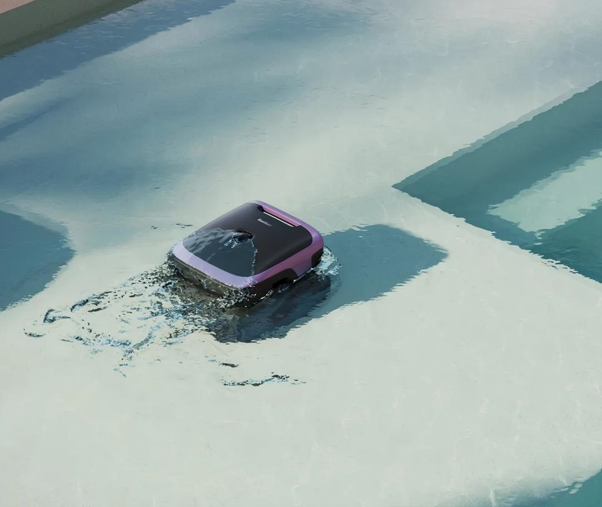
IMAGE: BEATBOT
Pool Cleaning Is Joining The Home Automation Shift
People are more willing to automate chores when the task is repetitive. Pool cleaning fits that pattern perfectly. It is not usually difficult once. It is difficult because it keeps coming back.
A pool may look clean in the morning and collect leaves, pollen, insects, or dirt by the afternoon. A busy family may use the pool all weekend, then face floor debris, sunscreen residue, and a dull waterline on Monday.
Cordless robotic pool cleaners answer a practical question: can this chore become easier to start? When owners do not have to connect hoses, handle long cables, or set up several tools, they are more likely to clean before the pool looks neglected.
That is why the category feels connected to the wider smart home movement. It takes a routine outdoor job and makes it feel more like using a modern household appliance.
Market Growth Shows The Category Is Moving Mainstream
Market forecasts vary because analysts define the robotic pool cleaner category in different ways. Some include residential and commercial pools together. Some focus on certain regions or product types. Even with those differences, the direction is clear: the market is growing.
Some reports expect the global market to reach several billion dollars over the next decade. Others use smaller starting figures but still show strong annual growth. The shared message is more important than one exact number. Pool robots are no longer viewed only as luxury accessories for high-end properties.
Residential buyers are a major reason. Families want less weekend cleaning. Older homeowners want less physical strain. Second home owners want a more predictable routine. Hotels, resorts, apartment communities, and shared pools also add demand because they need consistent cleaning without relying only on manual labor.
For anyone comparing a pool cleaner, the market growth shows a larger shift. Buyers are looking beyond basic suction and asking whether a product can fit into everyday life with less effort.
Cordless Design Removes A Major Barrier
Cordless design is one of the biggest reasons the category is becoming easier to adopt. The word “cordless” sounds simple, but the impact is bigger than removing a cable.
No hose setup means fewer steps before cleaning starts. No cable along the pool edge means less clutter and less concern about tangles. Storage can feel cleaner. The backyard can look more organized. For families, that matters because pool cleaning often happens around kids, guests, pets, and outdoor furniture.
The important point is consistency. A cleaner that is easy to start is more likely to be used after a windy afternoon, after a party, or before debris sinks to the floor. Lower friction leads to better habits.
That is why cordless robotic pool cleaners are gaining attention worldwide. They make automation feel practical, not complicated.
Smarter Navigation Builds User Trust
Early pool cleaners could feel unpredictable. If a device wandered randomly, missed visible debris, or got stuck too often, owners still had to finish the job manually. That limited trust.
Newer robotic pool cleaners are becoming more reliable because navigation has improved. Better movement helps reduce missed spots and repeated passes. Sensors and route planning can help cleaners respond to pool shapes, slopes, corners, drains, steps, and different surfaces.
This matters because a swimming pool is not a flat indoor floor. It is a changing environment with water movement, debris piles, wall angles, shallow areas, and different materials. When a cleaner handles those conditions more predictably, homeowners see it less as a gadget and more as a dependable appliance.
Trust grows when users know what to expect after a cycle. That trust is helping the category move into mainstream home maintenance.
A Beatbot Sora 70 Example Of Everyday Automation
Beatbot Sora 70 shows why cordless robotic pool cleaners are moving from seasonal gadgets into everyday home maintenance. Its appeal is not only that it supports multiple cleaning areas. It is that it reduces the number of steps between noticing a dirty pool and actually doing something about it.
Imagine a homeowner who sees pollen at the edge, insects on the surface, fine grit on the floor, and a light mark near the waterline. With traditional tools, that may mean skimming, brushing, and vacuuming separately. With Sora 70, the routine becomes easier to start because the cleaner is built for cordless use and can support cleaning across the surface, floor, walls, waterline, and shallow or platform areas.
For buyers considering a cordless robotic pool cleaner, Sora 70 represents the practical side of the trend. It is not about making pool ownership disappear. It is about making repeated physical cleaning less likely to turn into a delayed weekend chore. Owners still need to test and balance water, empty baskets, maintain the main filter system, remove large debris by hand, supervise swimmers, follow safety rules, and seek service for leaks, equipment faults, persistent algae, stains, or cloudy water.
Efficiency And Sustainability Add To The Appeal
The global trend is not only about convenience. Many buyers also care about energy use, smarter household operation, and long term maintenance costs.
Robotic cleaners operate independently from the main cleaning routine and can capture debris before it places more pressure on baskets and filtration. Better route planning may also reduce wasted movement compared with less organized cleaning patterns. These benefits should not be exaggerated, but they do support the broader idea of more efficient maintenance.
Sustainability in pool care should stay realistic. A robot does not remove the need for sanitation, testing, or filtration. It does, however, help homeowners manage physical debris earlier and more consistently, which can support a cleaner overall system.
Buyers Still Need Realistic Expectations
Cordless robotic pool cleaners are becoming a trend, but not every household needs the most advanced model. Pool size, shape, surface, debris type, budget, charging time, basket capacity, retrieval, and filter cleaning all affect the real user experience.
A robot also cannot solve every pool problem. It does not sanitize water. It does not replace chlorine, pH, alkalinity, or stabilizer testing. It does not repair pumps, heaters, filters, leaks, drains, or damaged surfaces. Large branches, toys, stones, towels, and sharp objects still need manual removal.
The best product is not always the one with the longest feature list. It is the one that fits the pool and the owner’s routine.
Cordless Pool Robots Are Becoming Part Of The Modern Home
Cordless robotic pool cleaners are becoming a global home maintenance trend because the need is practical. They make one of the most repetitive outdoor chores easier to start, easier to repeat, and easier to fit into modern life.
The future of pool care is not zero maintenance. It is lighter, smarter, and has better-organized maintenance. As more homes bring automation outdoors, cordless pool robots are likely to become a normal part of how people care for their backyards.
COMMENTS