


Aduro Clean Technologies reported on June 9 that the latest operating campaign at its Next Generation Process pilot plant achieved an 86 percent liquid hydrocarbon recovery rate, using waste-derived polypropylene as feedstock.
The update is the latest in a series of operating disclosures the company has made this year as it works to move its chemical recycling process from the pilot stage toward a first commercial-scale plant, a transition that small-cap investors have been tracking closely given the size of the addressable market at stake.
A direct disclosure before the analysis: Yazan al Homsi, whose read on the results appears below, holds an equity position in Aduro Clean Technologies. That stake is disclosed here openly because it is the basis for his perspective on this pilot data, not an incidental detail.
The campaign ran for 47 continuous hours under Aduro’s current 24/4 operating model, meaning 24-hour operation across a planned four-day window. The company said steady-state conditions, achieved under typical Hydrochemolytic conditions, were sustained for roughly 35 hours of that window, with samples collected at regular intervals.
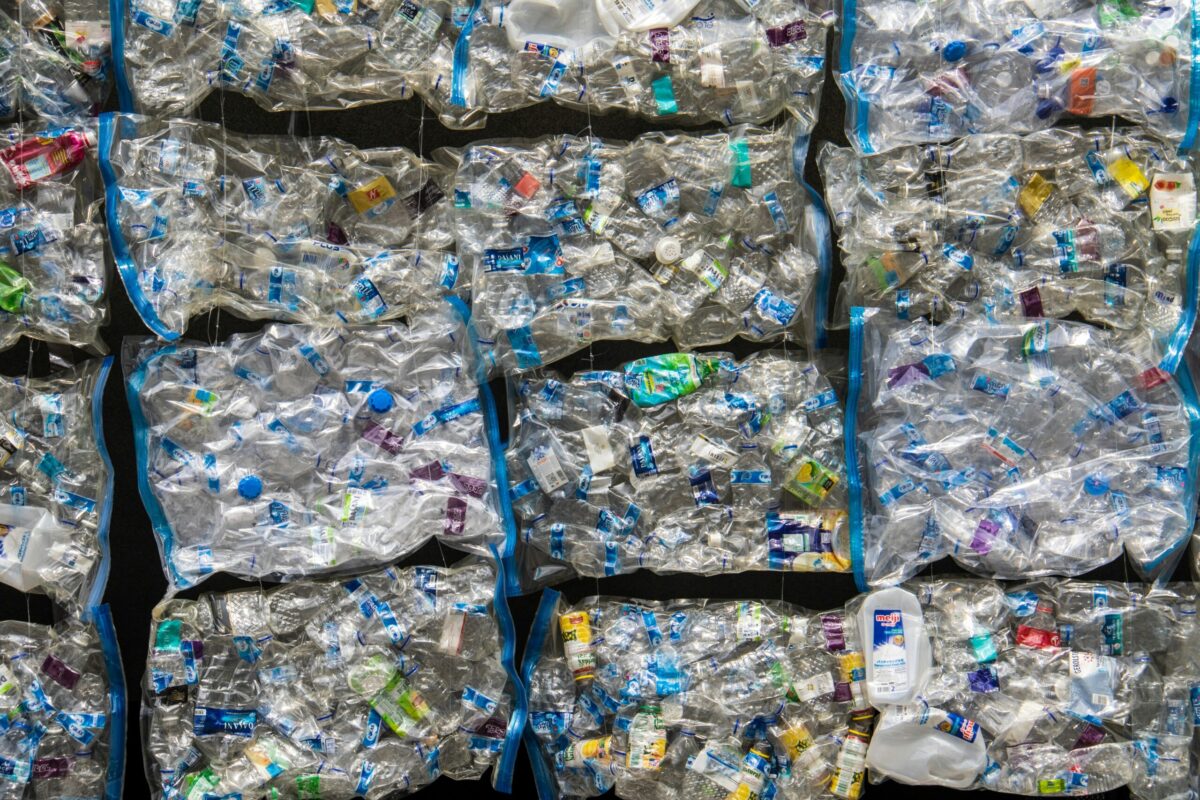
IMAGE: UNSPLASH
After a set of intentional operating changes designed to test process control, the plant re-established steady-state conditions within approximately two hours, a result Aduro said provides data on how the process responds to deliberate adjustments and how operators manage that response. That resilience data, the company has suggested, may matter more to the commercial design process than the headline yield figure itself.
“The NGP Pilot Plant is doing what it was designed to do,” said Aduro’s chief executive Ofer Vicus, describing the results as practical operating and yield data that will help define parameters for the next stage of scale-up.
The company’s chief operating officer, David Weizenbach, separately described the campaign as an important operating milestone, noting it demonstrated the team’s ability to move the process through startup, stabilization, steady-state operation, and controlled recovery after the deliberate operating changes. Together, the two executives’ comments frame the update as engineering progress rather than a marketing event, a distinction that matters for investors trying to judge how much weight to put on any single announcement.
This is not Aduro’s first pilot campaign. The company has run a series of tests at the facility ranging from single-day trials to four-day operating windows, progressively evaluating the performance of its reactor, feed-handling and product-recovery systems and the overall operability of the plant under typical Hydrochemolytic conditions.
Each successive campaign has been used to refine startup, stabilization, product recovery and shutdown procedures, and to improve integration between the feed-handling, reaction and recovery sections of the plant into a single continuous process, according to the company. That progression, rather than any one campaign in isolation, is what the company points to when describing its readiness for the next phase of scale-up.
Aduro has said its total addressable market for chemical recycling runs into the hundreds of billions of dollars globally, a figure grounded in the roughly 90 percent of plastic waste that goes unrecycled today because mechanical processes cannot economically handle mixed or contaminated material.
Regulatory momentum has been building alongside that opportunity: European Extended Producer Responsibility rules already require minimum recycling rates in several jurisdictions, with financial penalties for shortfalls, and proposed U.S. federal legislation, often referenced in industry commentary as the CIRCLE Act, would extend investment tax credits to advanced recycling technologies, potentially improving the economics of projects like Aduro’s planned Chemelot plant.
Aduro’s Hydrochemolytic technology uses water as a core processing agent to chemically recycle waste plastics, convert heavy crude and bitumen into lighter, more valuable oil, and transform renewable oils into higher-value fuels or chemicals, operating at lower temperatures and cost than conventional thermal recycling methods, according to the company.
The approach is designed to process contaminated and mixed plastic waste streams that mechanical recycling, which depends on relatively clean, pre-sorted material, cannot handle economically. That distinction, contaminant tolerance versus a requirement for pristine inputs, is the crux of Aduro Clean Technologies‘s argument for why its process can address a larger share of the waste stream than conventional alternatives.
For Yazan al Homsi, an investor in Aduro through his Vancouver-based Founders Round Capital, the pilot data is the kind of incremental, technical proof point that matters more to a long-term investment approach than headline announcements. Al Homsi holds no operating or partnership role at Aduro; his position is that of an outside investor.
His broader ESG-focused investment approach has centered on backing technologies aimed at addressing documented market failures, in this case the roughly 90 percent of global plastic waste that goes unrecycled because mechanical processes cannot economically handle mixed or contaminated material.
The pilot results landed roughly two weeks before Aduro closed a combined US$22.2 million across two capital raises, proceeds the company has said will help fund the same first-of-a-kind plant the pilot data is informing. Taken together, the two announcements give the company’s small-cap investor base a technical data point and a financing round to weigh against each other as Aduro works toward commercial-scale deployment at its planned Chemelot facility in the Netherlands.
Aduro shares have traded between roughly US$8.68 and US$18.19 over the past 52 weeks. Markets tend to wait for pilot-scale results to translate into a signed commercial contract before fully repricing a story like this one, which is part of why the next set of campaign results, particularly any run under the sustained 24/7 model Aduro says it is working toward, is likely to be a more meaningful catalyst than this update in isolation.
For al Homsi and other small-cap investors in Aduro, that next data point, rather than this one, is likely to be the more decisive test of whether the pilot program is actually on track for the commercial scale the Chemelot plant is meant to deliver. It isn’t there yet, and the 86 percent figure stands as one data point in a longer chain rather than a verdict on the technology itself.
COMMENTS