


Every day walking should feel simple and safe, whether it is a short trip to a nearby café, a commute to work, or crossing a busy intersection. Yet in busy urban environments, that sense of safety can quickly disappear when distracted driving, sudden turns, or ignored signals put pedestrians at risk. Few places illustrate this reality more clearly than New York City, where dense traffic and constant activity create some of the highest pedestrian volumes in the country.
When accidents happen in such conditions, victims are often left dealing with medical treatment, lost income, and uncertainty about their legal rights. This is where legal guidance becomes important, helping injured pedestrians understand liability, build strong claims, and seek fair compensation under New York law.
In these challenging moments, pedestrian accident lawyers serving NYC from Shulman & Hill in NYC step in to protect injured pedestrians and pursue accountability through focused representation. They help clients rebuild forward.
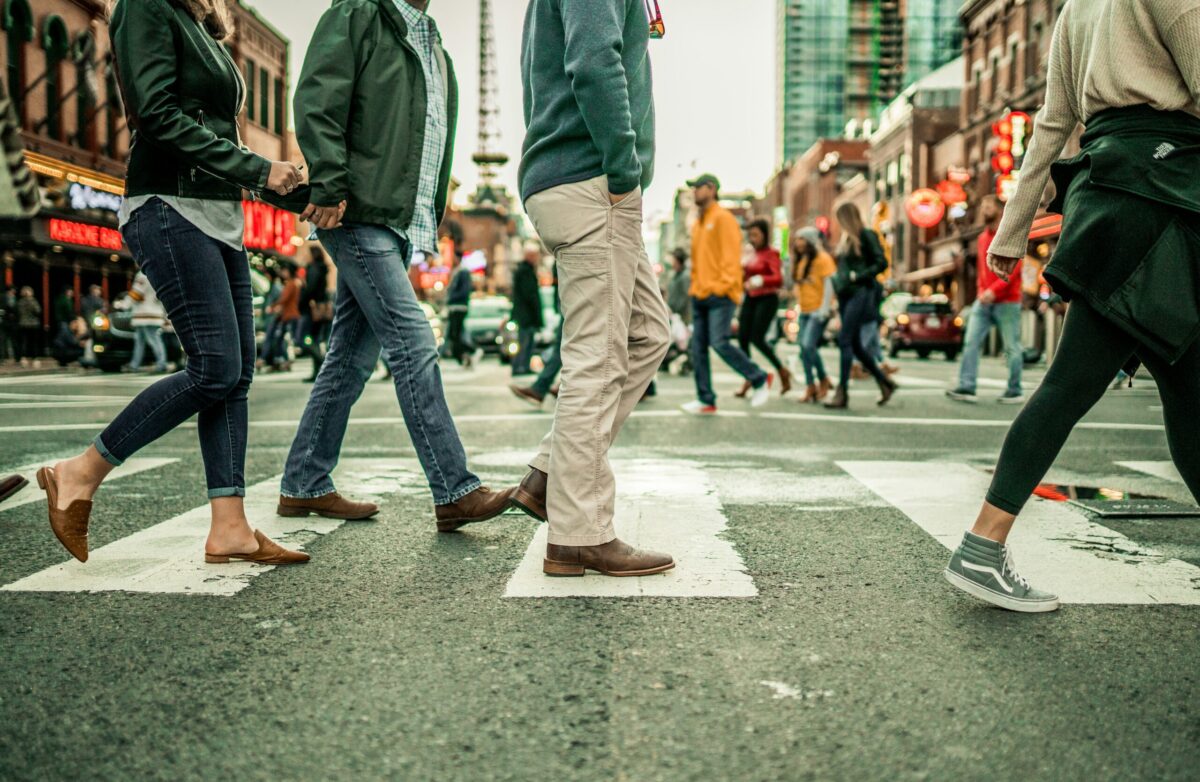
IMAGE: UNSPLASH
First Response
Early decisions often shape the strength of a claim. Emergency records, scene photographs, witness details, and police reports can preserve facts before memory fades or footage disappears. Many injured people consult pedestrian accident lawyers after a crash because prompt legal review can link injuries to driver behavior, signal timing, road design, and other factors that may explain how the impact occurred.
Building Evidence
Strong cases rely on more than a single report. Attorneys collect ambulance notes, imaging results, operative records, pharmacy histories, surveillance video, and scene measurements. Some matters also require phone data, vehicle downloads, or testimony from reconstruction specialists. Each source helps connect bodily harm with the event itself. Careful proof can also counter claims that the person on foot acted carelessly while crossing, standing, or waiting near traffic.
Finding Liable Parties
Responsibility may extend past the driver who caused the strike. A vehicle owner, delivery company, contractor, or public agency can share blame in certain fact patterns. Lawyers study who controlled the car, the route, the work site, or the signal system. This broader review matters after severe trauma. Multiple sources of coverage may be needed when treatment costs, wage loss, and permanent impairment exceed the limits of a single policy.
Handling Insurance Tactics
Insurance representatives often contact injured pedestrians soon after a collision. Those calls may seek recorded statements before pain patterns, diagnosis, or prognosis are fully clear. Attorneys step in to manage communication and reduce the chance of harmful remarks. Their involvement can slow the pressure for a rushed settlement. A lawyer also compares any offer with future therapy, surgical follow-up, lost earnings, and likely changes in physical function.
Measuring Real Losses
A fair claim includes far more than an emergency department bill. Pedestrian trauma may lead to surgery, inpatient rehabilitation, gait problems, chronic headaches, nerve symptoms, counseling, and months away from work. Lawyers gather records and expert opinions to estimate those costs with care. Pain, disfigurement, sleep disturbance, and reduced mobility also carry value. Full medical documentation makes it harder for insurers to minimize long-term harm.
Using New York Rules
New York law adds rules that can affect timing, procedure, and case value. Lawyers review available coverage, no-fault benefits, and the threshold needed for a lawsuit after serious injury. Filing deadlines also matter, especially if a public body may bear partial blame. Missing one date can end an otherwise strong claim. Careful legal work keeps the case moving while treatment plans and household stress continue.
Preparing For Trial
Many injury claims resolve before trial, yet courtroom preparation still matters. Lawyers who build each file as if testimony will be required often gain stronger bargaining power during negotiations. They organize exhibits, prepare medical witnesses, and shape a clear account of what the collision changed. This work sends a serious message. If talks break down, the injured walker is ready to proceed without further delay.
Defending Vulnerable People
Some pedestrians face extra barriers after a crash. Older adults may heal more slowly, children may struggle to describe symptoms, and low-wage workers may delay seeking care for fear of missing shifts. Language differences can also interfere with access to treatment and paperwork. Legal counsel helps protect these people from pressure or silence. Attorneys can coordinate records, explain rights, and prevent a valid claim from being dismissed.
Why Local Knowledge Helps
City streets create recurring injury patterns that are relevant to these claims. Busy corners, turning vehicles, delivery vans, buses, and construction zones can all shape how a person is struck. Lawyers familiar with New York City often recognize issues related to short crossing times, blocked sightlines, faded markings, or recurring hazards at a single location. This local perspective helps frame the case with concrete facts instead of broad allegations.
Conclusion
Pedestrian accident lawyers protect injured walkers by preserving evidence, identifying all responsible parties, and challenging weak settlement offers. Their work can turn a chaotic event into a documented claim built on treatment records, witness accounts, and a sound legal theory. For people hurt on crowded streets, that guidance can affect both financial recovery and peace of mind. Strong advocacy helps secure accountability while supporting physical healing and family stability.

COMMENTS