


Travel has changed. People no longer want to visit a destination just to take a few beautiful photos and move on. They want to understand the food, language, history, traditions, and daily life of the places they visit. This is why cultural tourism is growing so quickly. Travelers want real stories, not just staged pictures.
Destinations such as Morocco show this shift clearly, where curated Morocco travel packages help visitors experience ancient medinas, desert life, local cuisine, traditional crafts, and historical cities in a more meaningful way.
Instagram has shaped modern travel, but it has also created a problem. Many travelers return home with hundreds of photos but very few deep memories. A picture of a blue alley, a desert sunset, or a famous monument may look impressive online, but it does not always explain the people, culture, or history behind that moment.
Cultural tourism offers something more lasting. It turns travel from simple sightseeing into personal learning, emotional connection, and human experience.
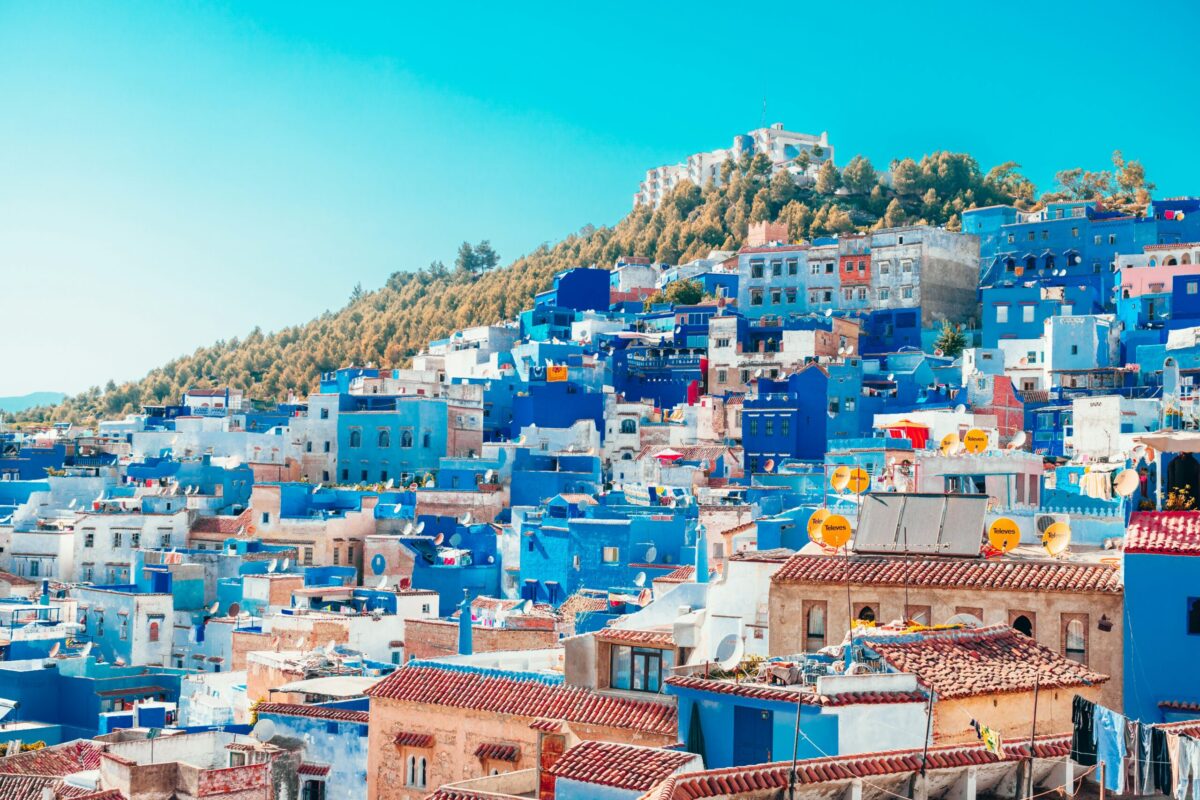
IMAGE: UNSPLASH
What Cultural Tourism Really Means
Cultural tourism is travel focused on understanding the identity of a place. It includes history, architecture, food, festivals, religion, art, music, local customs, and community life. Instead of only asking, “What can I see here?” cultural travelers ask, “What can I learn here?”
This type of travel can include walking through old neighborhoods with a local guide, learning how traditional dishes are prepared, visiting craft workshops, attending cultural festivals, or speaking with families who have lived in the same area for generations. The goal is not just entertainment. The goal is connection.
Cultural tourism also gives travelers context. For example, visiting a traditional market is more meaningful when travelers understand how bargaining works, why certain spices are important, how local artisans learned their skills, and how trade shaped the city over time. Without that context, the market becomes just another colorful background for a photo.
Why Travelers Are Moving Beyond Instagram Moments
Social media made travel more visible, but it also made many trips feel repetitive. The same poses, the same viewpoints, and the same viral locations appear again and again. Travelers are beginning to realize that copying someone else’s itinerary does not always create a fulfilling experience.
A photo can capture what a place looks like, but it cannot fully capture how it feels. It cannot explain the smell of fresh bread in a Moroccan souk, the sound of evening prayer across a historic city, the patience of an artisan shaping metal by hand, or the quiet of the Sahara after sunset.
The Problem With Surface-Level Travel
Surface-level travel often leads to three common issues:
- Travelers rush through destinations without understanding them.
- Local culture becomes a backdrop instead of the main experience.
- Popular places become overcrowded while deeper cultural sites are ignored.
This is one reason cultural tourism feels more valuable. It encourages slower, more respectful travel. Instead of collecting photos, travelers collect stories. Instead of only visiting famous landmarks, they learn why those landmarks matter.
Cultural Tourism And The Search For Authentic Experiences
Modern travelers are more informed than ever. They research destinations before booking, read travel blogs, watch videos, compare itineraries, and look for experiences that feel original. Many are tired of generic tours that treat every destination the same way.
Authentic travel does not mean avoiding popular attractions. It means experiencing them with better understanding. A visit to Marrakech, Fez, Casablanca, or the Sahara becomes more meaningful when travelers know the history, traditions, and cultural layers behind each location.
In Morocco, for example, cultural tourism may include exploring the old medina of Fez, learning about Berber communities in the Atlas Mountains, visiting ancient kasbahs, tasting slow-cooked tagine, or understanding the role of Islamic, Arab, Berber, and African influences in Moroccan identity. These experiences give travelers more than photos. They give them perspective.
Morocco As A Strong Example Of Cultural Tourism
Morocco is one of the best examples of how cultural tourism works because the country offers a rich mix of history, architecture, food, landscapes, and living traditions. Each city has a different personality.
Marrakech feels energetic and artistic. Fez feels historical and scholarly. Chefchaouen feels calm and photogenic, but also deeply connected to local life. The Sahara offers silence, scale, and tradition that cannot be understood through images alone.
A traveler who only photographs Morocco may remember its colors. A traveler who experiences its culture may remember its people.
Cultural Experiences That Make Morocco Memorable
Some of the most meaningful Moroccan travel experiences include:
- Walking through ancient medinas with a local guide.
- Learning how Moroccan mint tea is prepared and served.
- Visiting traditional tanneries, pottery workshops, and textile markets.
- Staying in riads that reflect Moroccan design and hospitality.
- Exploring the Atlas Mountains and meeting local communities.
- Spending a night in the Sahara and learning about desert traditions.
- Tasting regional food that reflects centuries of cultural exchange.
These experiences help travelers understand Morocco as a living culture, not just a beautiful destination. This is also why well-planned Morocco trip packages can be useful for visitors who want structure without losing authenticity.
Why Cultural Tourism Appeals To Younger Travelers
Younger travelers, especially Millennials and Gen Z, often value experiences more than possessions. They are more likely to spend money on travel, food, learning, wellness, and personal growth than on traditional luxury items. For them, a meaningful trip can become part of their identity.
This does not mean younger travelers dislike beautiful places. They still enjoy photography and social media. The difference is that many want the story behind the image. They want to know who made the meal, why the building was designed that way, what the local tradition means, and how their visit affects the community.
Cultural tourism fits this mindset because it feels more personal. It allows travelers to return home with knowledge, not just content.
The Role Of Technology In Cultural Tourism
Technology has made cultural tourism easier to access. Travelers can now research local customs, translate languages, book guided experiences, use digital maps, and discover lesser-known places before they arrive. AI tools and travel platforms can help people plan smarter routes, compare destinations, and avoid poorly organized trips.
However, technology cannot replace the human side of travel. A search engine can explain a tradition, but a local guide can bring it to life. A video can show a market, but walking through it creates a different level of understanding. A travel app can suggest a restaurant, but sharing a meal with locals creates a stronger memory.
The best travel experiences combine digital convenience with real-world connection.
Conclusion
Cultural tourism is rising because travelers want more than Instagram photos. They want stories, connection, learning, and memories that stay with them long after the trip ends. A beautiful image may get attention for a few seconds, but a meaningful experience can influence how someone sees the world.
Morocco is a strong example of this new travel mindset. Its cities, deserts, mountains, food, crafts, and traditions offer the kind of depth that modern travelers are searching for. As more people move away from shallow sightseeing, cultural tourism will continue to shape the future of travel.
COMMENTS