


Imagine sending a text that never touches the cellular grid, can be encrypted end to end, and routes itself across a neighborhood of solar powered repeaters. That is the concrete promise of Meshtastic and the LoRa mesh ecosystem the transcript explores.
The real significance here is not merely that you can text without a phone company. What actually determines whether this matters is the combination of three things: cheap hardware, simple firmware and a community willing to place nodes in high places. That trio turns isolated radios into a living local network.
Most people assume off-grid messaging requires ham licenses, complicated antennas or heavy expense. The transcript pushes back. You do not need a license to join Meshtastic, and devices range from under $30 to a few hundred dollars depending on capability. The catch is that this shifts control from a single carrier to the geography of whoever installs repeaters.
What becomes obvious when you look closer is a set of tradeoffs that define how useful Meshtastic is in different situations. The network excels at short to local regional communication, redundancy and privacy. It does not replace the Internet for broad, low-latency services such as video calling or global push notifications.
What Meshtastic Is And Why It Matters
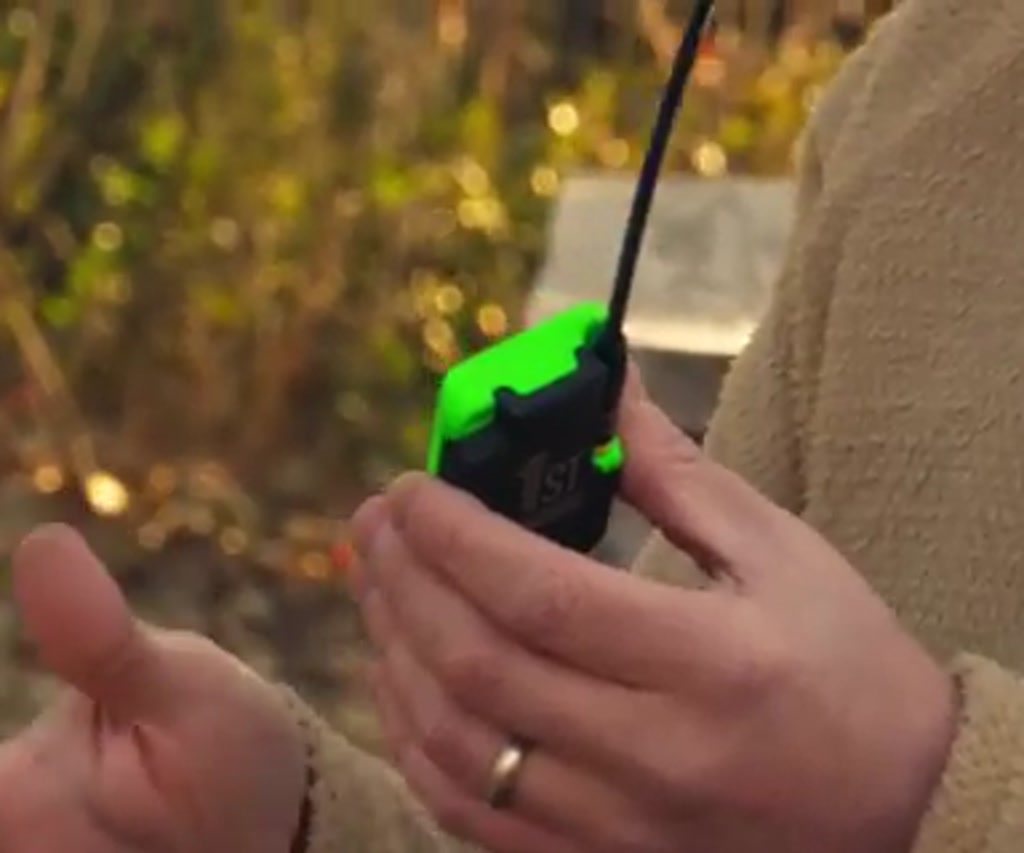
Meshtastic is an open software project and community built around LoRa hardware, which uses long range radio modulation in commercial bands such as 915 MHz. It turns inexpensive LoRa nodes into a mesh that relays small packets of text and telemetry across many hops.
At its simplest this means a phone becomes a user interface tethered by low-energy Bluetooth, while the radios themselves form a resilient local fabric that does not depend on cell towers. The ecosystem supports native AES 256 encryption and private channels alongside public party line chats.
How The Mesh Works And What Limits It
Under the hood Meshtastic piggybacks on LoRa’s long-range, low-power characteristics. Nodes listen most of the time and transmit in short bursts to conserve energy. The software supports store and forward, so messages can queue and travel hop by hop when connectivity permits.
Hops, Range, And Line Of Sight
Messages propagate by hops and users typically cap hops to prevent runaway retransmissions. Direct line-of-sight tests mentioned in the transcript reached roughly three miles from a house in ideal conditions. Real-world reach depends on elevation, antenna and obstruction.
Transmission Modes And Collisions
Meshtastic exposes timing modes that control transmission windows and aggressiveness. In dense urban settings overlapping transmissions cause collisions, forcing administrators to tune modes to reduce packet loss. That makes the system fragile under heavy metropolitan usage, while it remains robust in lower density rural or island deployments.
Benefits And Advantages Of Meshtastic
Meshtastic’s strengths are practical: low cost entry points, strong local privacy options, and resilience when centralized infrastructure fails. Cheap hardware and simple firmware let communities stitch coverage together with solar repeaters and rooftop nodes for extended uptime.
Those advantages translate into real-world value at events and in remote regions. The transcript cites uses at DEF CON, family safety on hikes, and island chains in Hawaii where local repeaters provide connectivity that carriers cannot deliver without expensive infrastructure.
Constraints And Tradeoffs To Consider
Constraints are equally concrete: battery life ranges from days on handheld units to months for solar roof nodes, range is heavily site dependent, and throughput is limited by design. Expect message delivery in seconds to minutes rather than instant global push notifications.
Costs vary from roughly $25 for basic nodes to several hundred for feature rich units with displays, larger batteries and better antennas. Installation complexity grows with ambitions for continuous coverage, as solar panels, enclosures and mounting hardware add expense and labor.
Real World Uses And Social Dynamics
Practical deployments described in the transcript show Meshtastic as a social technology as much as a technical one. A radio alone is useful; a community of repeaters turns it into a network. Local Discords, groups like Austinmesh and volunteer rooftop installations are the infrastructure planners who expand coverage.
Privacy becomes a social choice. Public party line channels coexist with encrypted private channels, and device naming is optional. That mix shapes behavior, making communication more anonymous than carrier messaging, yet more local and community governed than broadcast radio.
Meshtastic Vs Cellular And Ham Radio
Comparing options helps define decision points. Meshtastic trades global reach and high bandwidth for low cost, local resilience and privacy. Cellular networks provide global, low-latency services but depend on infrastructure. Ham radio offers licensed long-range voice and data but usually requires training and different legal constraints.
When Meshtastic Is Preferable
Choose Meshtastic for short to regional messaging needs where infrastructure is unreliable, privacy matters, and communities can host repeaters. It excels for event coordination, local emergencies and hobbyist networks that prioritize uptime over throughput.
When Alternatives Fit Better
Rely on cellular or satellite services when you need global reach, video, high message rates, or guaranteed low latency. Ham radio remains the go-to for certain long-range voice and emergency protocols where licensing and specific radio procedures are required.
Getting Started And Community Resources
Entry steps are straightforward: buy a compatible LoRa radio, flash the Meshtastic firmware from the project site, and pair it with a phone over low-energy Bluetooth to use the Meshtastic app as an interface. The community maintains setup tips and regional guides.
Joining local groups is the fastest path to useful coverage. Regional meshes such as Austinmesh coordinate repeaters, publish installation guides, and operate Discords to help newcomers find nodes and best practices for mounting, antennas and power systems.
Who This Is For And Who This Is Not For
Meshtastic is best suited for hobbyists, local organizers, event planners, outdoor families, and communities in remote or disaster-prone areas who can host repeaters. It rewards local investment in antennas, rooftop space and solar equipment.
It is not a substitute for cellular service when you need instant global reach, video, or high data throughput. If you require guaranteed low latency for critical real-time applications, a carrier or satellite solution is more appropriate.
The Limits That Define Usefulness
The project’s appeal is bounded by geography, node density and interference. It works well when enough people commit to hosting well-placed nodes, and it becomes fragile when those social commitments fail or when urban radio collisions overwhelm the mesh.
Those tensions point toward governance questions. Can volunteer-run meshes scale into dependable local infrastructure, or will coordination and maintenance remain the bottleneck? The transcript hints that community formalization will determine whether Meshtastic stays a hobbyist tool or becomes a civic resource.
FAQ
What Is Meshtastic?
Meshtastic is an open software ecosystem that runs on inexpensive LoRa radios to create local mesh networks for text and sensor data, using low-power transmissions and store-and-forward routing.
How Does Meshtastic Work?
Nodes relay small packets hop by hop. Devices listen most of the time and send short bursts to conserve energy. Messages can queue until a node with better connectivity forwards them, enabling store-and-forward delivery across a mesh.
Can You Use Meshtastic Without A License?
Yes. The transcript states that joining Meshtastic does not require an amateur radio license, because it operates on commercial LoRa bands and is designed for hobbyist deployment.
How Far Can Meshtastic Radios Reach?
Range is site dependent. In line-of-sight tests referenced in the transcript a user reached about three miles from a house. Elevation, antenna quality and obstructions strongly affect real-world distance.
Is Meshtastic Encrypted?
Yes. The transcript notes native AES 256 encryption support, and the system allows both encrypted private channels and unencrypted public party line channels.
What Does Meshtastic Cost?
Device prices mentioned range from roughly $25 for basic nodes to a few hundred dollars for units with displays, larger batteries and better antennas. Solar and mounting hardware add to deployment cost.
Can Meshtastic Replace Cellular Service?
Not entirely. Meshtastic replaces cellular service for local, low-bandwidth messaging and coordination, especially where community repeaters exist, but it is not a replacement for global, high-throughput, low-latency services like video calling.
How Do I Find Local Meshtastic Nodes?
Community hubs such as regional Discords and local groups like Austinmesh publish node lists and guides. Joining a regional user group is the fastest way to discover nearby repeaters and best practices.
Looking ahead, whether Meshtastic matures into dependable civic infrastructure depends less on the radio and more on the social architecture that supports repeaters, governance and coordinated maintenance. That is the open question the community is already starting to answer.
COMMENTS