


The Internet of Things (IoT) revolution has quietly transformed nearly every aspect of modern living, from smart thermostats that learn our preferences to security systems that recognize our faces. Now, this technological wave is reaching into one of the most fundamental systems in our homes: plumbing.
Smart plumbing technology represents a paradigm shift from reactive maintenance to proactive monitoring, fundamentally changing how homeowners interact with their water systems and approach routine maintenance.
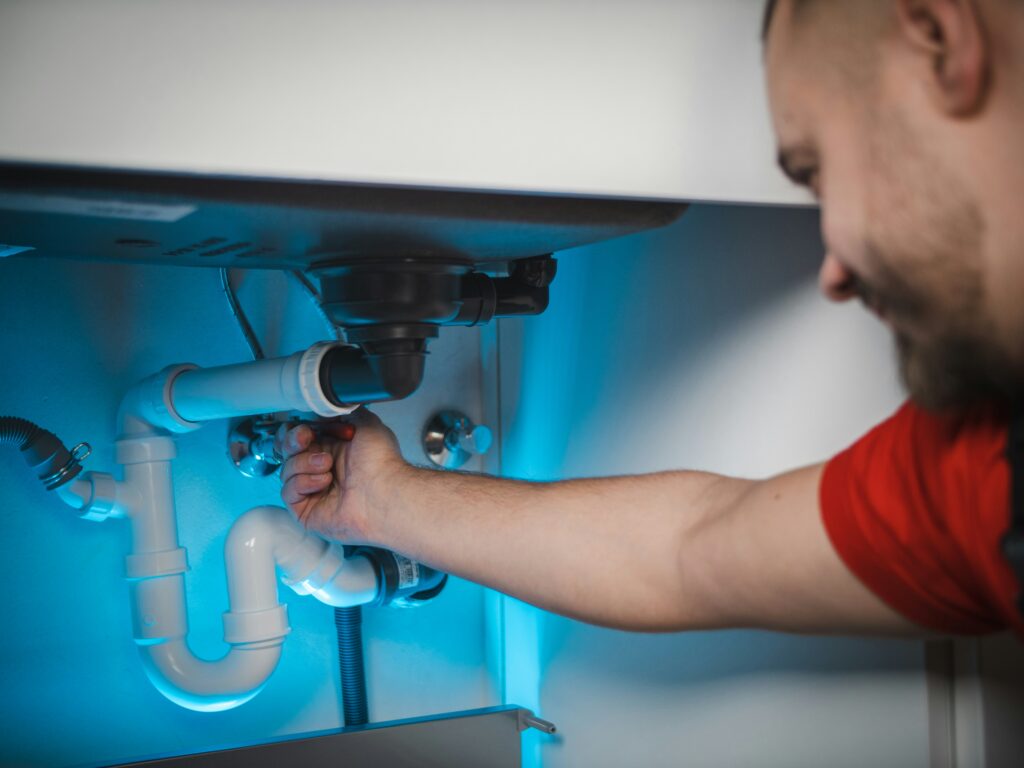
IMAGE: UNSPLASH
The Evolution From Analog To Intelligent
Traditional plumbing systems operate as passive infrastructure – water flows through pipes, fixtures function mechanically, and problems only become apparent when something goes visibly wrong.
This reactive approach often means that minor issues escalate into major repairs, leaks go undetected for months, and homeowners face unexpected emergencies that could have been prevented with early intervention.
Smart plumbing technology transforms this dynamic by embedding sensors, connectivity, and intelligence throughout the water system. These IoT-enabled devices continuously monitor water pressure, flow rates, temperature, and usage patterns, creating a comprehensive picture of system health and performance that was previously impossible to achieve.
Core Components Of Smart Plumbing Systems
Intelligent Water Meters and Monitors Modern smart water meters go far beyond measuring consumption. They analyze flow patterns to detect anomalies that might indicate leaks, track usage by individual fixtures, and provide real-time insights into water consumption habits. Some systems can pinpoint leaks to within a few feet of their location, dramatically reducing the time and cost associated with detection and repair.
Smart Shut-off Valves Perhaps the most critical component of smart plumbing systems, automatic shut-off valves can instantly stop water flow when abnormal conditions are detected. Whether it’s a burst pipe, major leak, or simply forgetting to turn off a faucet, these devices can prevent thousands of dollars in water damage by responding within seconds of detection.
Connected Fixtures and Appliances From smart toilets that monitor water usage and detect clogs to intelligent water heaters that optimize energy consumption, connected fixtures provide granular control and monitoring capabilities. Smart faucets can be programmed to deliver precise water temperatures and volumes, while connected washing machines and dishwashers optimize water usage based on load size and soil levels.
Leak Detection Sensors Strategically placed throughout the home, these small sensors monitor for moisture in areas prone to leaks – under sinks, near water heaters, around toilets, and in basements. When moisture is detected, they immediately alert homeowners through smartphone notifications, enabling rapid response before minor leaks become major problems.
Predictive Maintenance Revolution
The most transformative aspect of smart plumbing technology lies in its predictive capabilities. By continuously analyzing data from multiple sensors, these systems can identify patterns that indicate developing problems long before they become apparent to homeowners.
Gradual pressure drops might indicate pipe degradation, unusual usage patterns could suggest hidden leaks, and temperature fluctuations might signal water heater issues.
This predictive approach extends equipment lifespan by enabling timely maintenance interventions. Instead of waiting for a water heater to fail completely, smart systems can alert homeowners when efficiency begins declining or when components show signs of wear.
This proactive maintenance model reduces emergency repair costs and prevents the inconvenience of sudden system failures.
Environmental And Economic Benefits
Smart plumbing technology delivers significant environmental benefits through water conservation. The EPA estimates that household leaks waste nearly 1 trillion gallons of water annually in the United States. Smart leak detection systems can reduce this waste by 10-15% through early detection and automated shut-off capabilities.
Economic benefits extend beyond water savings. Insurance companies increasingly offer discounts for homes equipped with smart water monitoring systems, recognizing their effectiveness in preventing costly water damage claims. Some insurers report up to 93% reduction in water damage claims for homes with comprehensive smart plumbing systems.
Integration With Home Automation Ecosystems
Modern smart plumbing systems integrate seamlessly with broader home automation platforms. Homeowners can create sophisticated automation scenarios – automatically shutting off water when the security system indicates the house is empty, adjusting water heater schedules based on occupancy patterns, or coordinating with HVAC systems to optimize overall energy usage.
Voice control integration allows for hands-free operation of fixtures, particularly valuable in kitchen and bathroom environments. Smart irrigation systems can coordinate with weather forecasts and soil moisture sensors to optimize outdoor water usage.
Professional Installation And Maintenance Considerations
While many smart plumbing components can be installed by tech-savvy homeowners, comprehensive system implementation often requires professional expertise. Proper sensor placement, system calibration, and integration with existing plumbing infrastructure are critical for optimal performance.
Consulting with experienced professionals who understand both traditional plumbing and modern IoT technology ensures systems are properly designed and installed. Companies like Beis Plumbing can provide valuable guidance on plumbing solutions that align with specific home requirements and budgets.
Future Innovations And Trends
The smart plumbing industry continues evolving rapidly, with emerging technologies promising even greater capabilities. Artificial intelligence and machine learning are enabling more sophisticated predictive analytics, while advances in sensor technology are reducing costs and improving accuracy.
Integration with smart city infrastructure may eventually allow for coordinated water management across entire communities.
As water scarcity becomes an increasingly global concern and utility costs continue rising, smart plumbing technology represents more than just convenience – it’s becoming an essential tool for responsible resource management and home protection.
The shift from reactive to predictive maintenance isn’t just changing how we maintain our homes; it’s redefining our relationship with one of life’s most essential resources.
COMMENTS