


In sites with regular vehicle movement, swing gates need to do more than open and close. They need to identify authorised users quickly, reduce delays, and support orderly traffic flow. RFID readers help achieve this by making gate access faster, more consistent, and easier to manage across commercial and industrial environments.
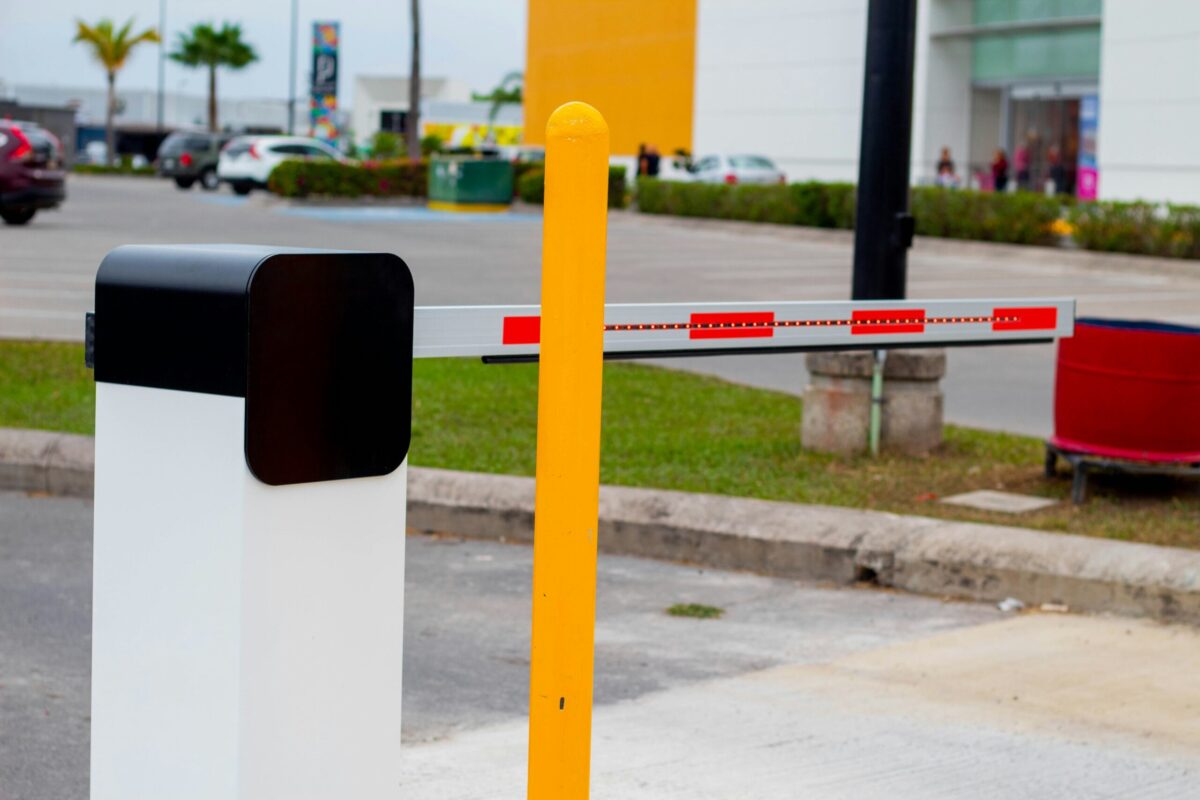
IMAGE: UNSPLASH
Faster Entry At The Gate
One of the main ways RFID readers streamline swing gate operation is by reducing manual checks. Instead of relying on a guard or operator to confirm access, drivers can present a tag, card, or credential to the reader. The system then verifies the credential and triggers the gate to open within seconds.
When used with automatic swing gate opener systems for vehicle access, RFID readers help create a smoother entry process. The gate responds quickly to valid credentials, which reduces waiting time and helps vehicles move through the access point with less disruption.
More Consistent Access Control
Swing gates work more efficiently when access decisions are consistent. RFID readers improve this by checking each credential against preset permissions rather than relying on visual checks or manual judgement. This is especially useful on sites where staff, contractors, service vehicles, and delivery drivers may all have different access rights.
It also helps reduce avoidable errors. The gate stays closed to unauthorised users and opens only for active, approved credentials. That makes access control more predictable and reduces the need for site staff to resolve entry issues on the spot.
Better Flow In High-Traffic Areas
At busy sites, a swing gate can easily become a bottleneck if vehicles are forced to stop for long checks. RFID readers shorten the time between arrival and gate response, which supports smoother movement through the entry point. This is valuable at warehouses, managed facilities, roadworks sites, government depots, and similar locations where vehicle traffic needs to be controlled without unnecessary delay.
The benefit is not only speed but also consistency. When drivers know the gate will respond properly to a valid credential, access becomes more orderly. This helps reduce congestion near the gate and supports a more efficient flow of vehicles throughout the day.
Less Unnecessary Gate Operation
Efficient gate operation is also about preventing unnecessary movement. RFID readers help ensure the gate activates only when an authorised vehicle is present, rather than opening because of unclear instructions, manual overrides, or repeated attempts to gain entry.
That matters because unnecessary opening and closing can place extra strain on components such as the gate motor, hinges, control systems, and safety devices. A more controlled triggering process supports smoother operation over time and can also make faults easier to diagnose.
Easier Access Management
Many sites need to manage access for different groups, including employees, contractors, and service providers. RFID readers make this easier because permissions can be assigned and updated through a role-based access control (RBAC) framework, without changing the physical gate setup.
This gives site operators more flexibility. Access can be adjusted when roles change, when contractors finish a job, or when temporary access is needed for specific times. That makes swing gate operation more efficient both at the entry point and from an administrative point of view.
Clearer Oversight Of Gate Use
Where the system records activity, RFID readers can also give site managers a clearer view of who entered and when. This is useful for security, site monitoring, and reviewing gate activity if an issue arises.
These records can also help identify patterns such as peak entry times or repeated access problems. That gives operators better information for improving both traffic flow and day-to-day gate management.
Smarter Access With Less Friction
RFID readers streamline swing gate operation by making access faster, more accurate, and easier to control. For sites that rely on secure vehicle entry, they help turn the gate into a more efficient part of the wider access system rather than a source of delay.
COMMENTS