


Buying your first camera is exciting. You imagine capturing beautiful landscapes, family celebrations, holidays, or even developing a new hobby. Then reality sets in. With countless brands, features, lenses, and technical terms, choosing the right camera can quickly become overwhelming. It’s no surprise that many first-time buyers end up spending more than they need or purchasing something that doesn’t suit how they actually plan to use it.
A little research goes a long way. While it’s tempting to compare the latest Panasonic LUMIX models alongside dozens of other options, the most important step isn’t finding the camera with the longest list of features. It’s finding one that fits your needs, your experience level, and the type of photography you genuinely enjoy.
Avoiding a few common mistakes can save you money and help you enjoy your new camera from day one.
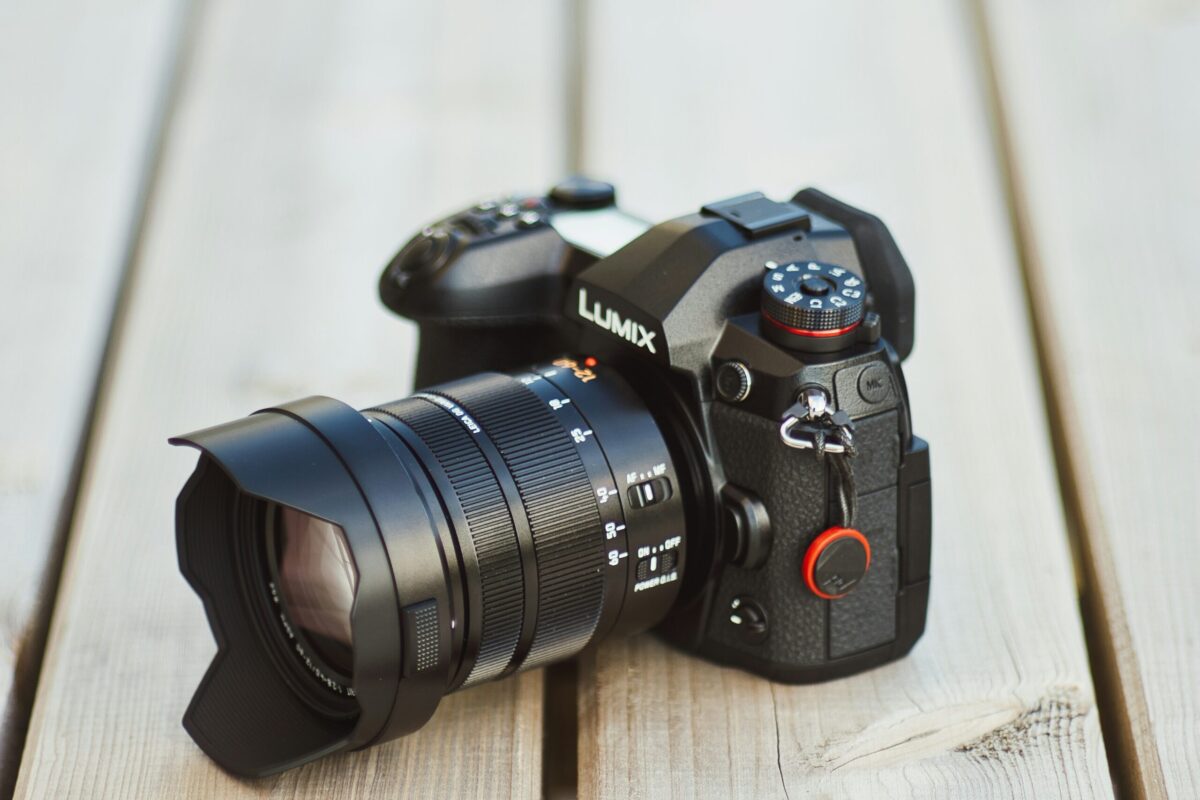
IMAGE: UNSPLASH
Buying For Features Instead Of Purpose
Many people assume that more features automatically mean better photos.
In reality, a camera packed with advanced settings won’t improve your images if you never use them. Before comparing specifications, think about what you’ll actually photograph.
Ask yourself questions like:
- Will I mainly photograph family and friends?
- Do I enjoy travel photography?
- Am I interested in wildlife or sports?
- Will I record videos as well?
Your answers should guide your decision far more than the specifications sheet.
Spending The Entire Budget On The Camera Body
It’s easy to focus on the camera itself while forgetting about everything else you’ll need.
Accessories such as memory cards, spare batteries, a comfortable camera bag, and a sturdy tripod can make a significant difference to your overall experience.
If your budget is limited, leaving room for these essentials often provides more value than buying a slightly more expensive camera body.
Ignoring Comfort And Size
A camera that feels awkward or heavy is less likely to be used regularly.
If possible, hold different cameras before making a decision. Pay attention to:
- How the grip feels
- Whether the buttons are easy to reach
- How comfortable it is to carry
- Whether the menus feel intuitive
The best camera is often the one you’ll happily take with you.
Thinking Expensive Means Better
Price can sometimes reflect quality, but it isn’t the only factor that matters.
Modern entry-level cameras are capable of producing excellent photos in the right hands. Learning basic composition, lighting, and timing will usually have a much bigger impact on your photography than upgrading to a premium model.
Developing your skills first often makes future upgrades much more worthwhile.
Overlooking The Lens
People often focus entirely on the camera body while forgetting that the lens plays an enormous role in image quality.
A versatile lens suited to your favorite subjects can often produce better results than a more expensive camera paired with the wrong lens.
As your confidence grows, adding another lens may improve your photography more than replacing the camera itself.
Expecting Instant Perfection
Perhaps the biggest mistake is expecting every photo to look professional immediately.
Photography is a skill that improves through practice. The first few weeks are all about learning how your camera behaves in different lighting conditions and discovering what compositions work best.
Don’t be discouraged if your early photos aren’t exactly what you imagined. Every experienced photographer started as a beginner.
Choosing your first camera doesn’t have to be stressful. By focusing on how you’ll actually use it, setting a realistic budget, and giving yourself time to learn, you’ll make a decision you’ll be happy with for years to come. A camera is simply a tool. The memories you capture and the stories you tell are what truly make your photographs valuable.
COMMENTS